Pokémon Card Dimensions (Guide to Standard Pokémon Card Sizes)
Pokémon Card Dimensions explain the official size, width, height, and thickness of Pokémon cards. Standard Pokémon cards measure 2.5 inches by 3.5 inches. These measurements help collectors store, protect, and display cards safely.
Many collectors damage cards because they use the wrong sleeves or storage products. Small size differences can also help identify fake Pokémon cards quickly. Knowing the correct Pokémon card dimensions makes collecting easier and safer for everyone.
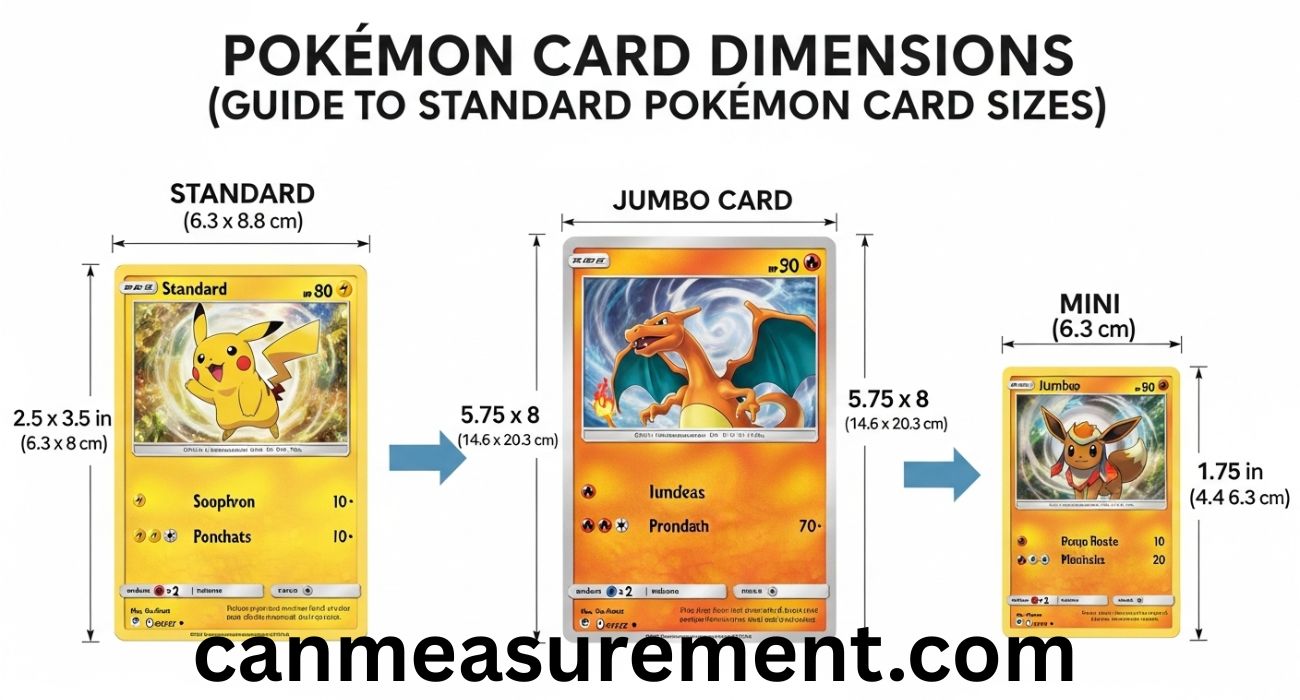
Modern Pokémon cards come in different sizes, including jumbo and promotional formats. Each card type needs proper sleeves, binders, and display cases for protection. Understanding Pokémon Card Dimensions helps collectors keep valuable cards in excellent condition for years.
Standard Pokémon Card Sizes
The majority of Pokémon TCG cards use one universal format that players and collectors recognize instantly. These cards follow the classic standard card size used across many popular trading card games. The size remains consistent because tournament organizers, sleeve manufacturers, and grading companies rely on exact dimensions for fair gameplay and reliable protection. When you open Pokémon booster packs, nearly every card inside uses the same dimensions regardless of rarity.
Collectors appreciate this consistency because it simplifies Pokémon collection storage and helps prevent damage. Whether you own modern Scarlet & Violet cards or classic Base Set releases, the measurements stay almost identical. This standardization also improves card shuffling during matches because cards move smoothly without catching uneven edges. Many people compare these dimensions to traditional playing cards because the format closely matches the familiar standard playing card size used worldwide.
Official Dimensions of Standard Pokémon Cards
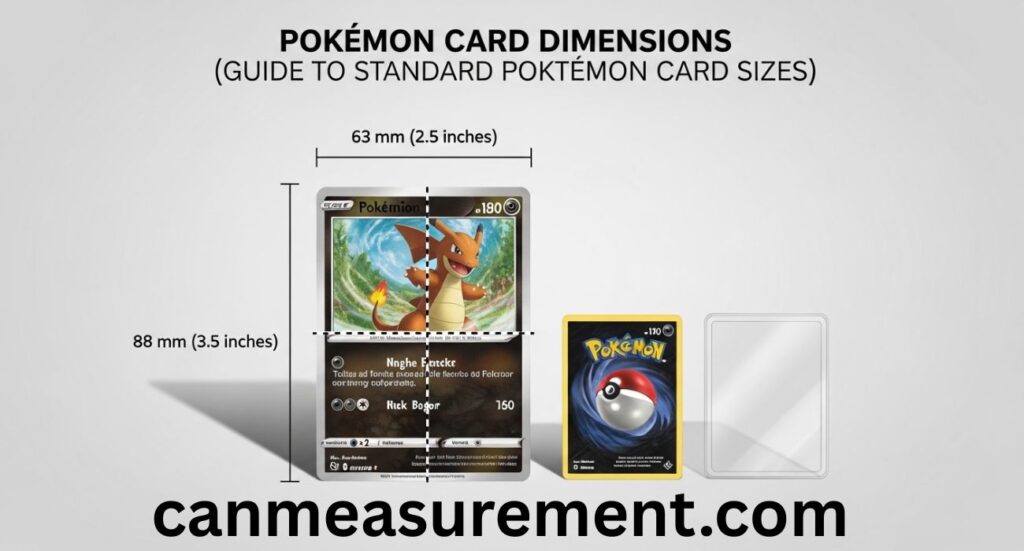
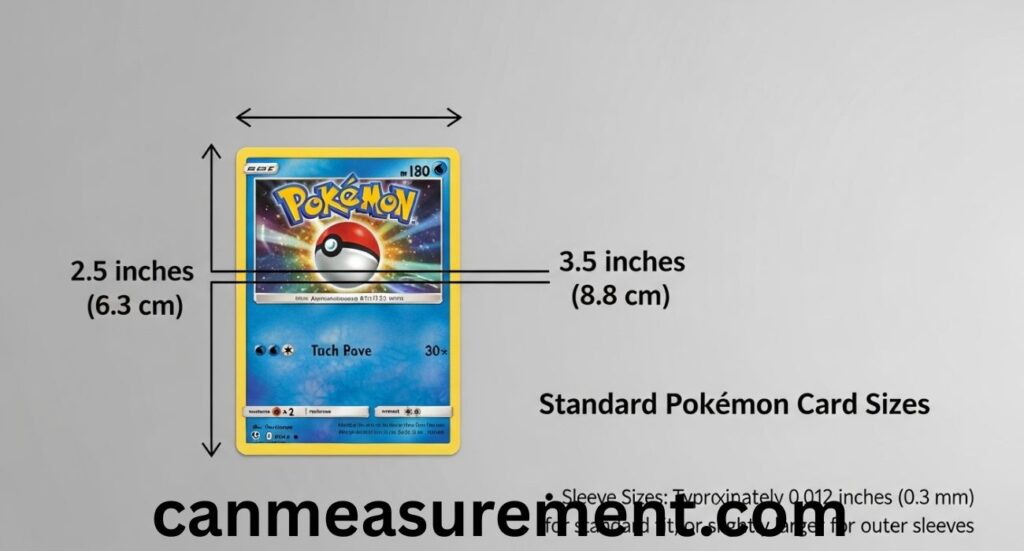
The official size of regular Pokémon cards measures exactly 2.5 x 3.5 inch cards, which equals 63mm x 88mm cards. These measurements define the accepted official Pokémon card dimensions used in tournaments, grading centers, and professional collections. The dimensions may appear small, yet they create the perfect balance between portability and readability. Players can comfortably hold full decks while still seeing detailed artwork and attack descriptions clearly.
The following table shows the standard measurements collectors commonly use when shopping for accessories and Pokémon card protection products:
| Measurement Type | Official Size |
| Inches | 2.5″ × 3.5″ |
| Millimeters | 63mm × 88mm |
| Centimeters | 6.3cm × 8.8cm |
| Thickness Range | 0.25mm – 0.76mm |
These exact Pokémon card dimensions in mm and Pokémon card dimensions in cm matter when buying sleeves, top loaders, or display cases. A sleeve that feels slightly tight can slowly damage valuable cards over time. That’s why experienced collectors always check sleeve compatibility before storing rare cards or preparing expensive submissions for grading.
Pokémon Card Height and Length Breakdown
The height of a Pokémon card measures 3.5 inches or 88 millimeters, while the width measures 2.5 inches or 63 millimeters. These precise Pokémon card measurements help create consistent gameplay during official tournaments. The vertical shape also allows artists to fit larger illustrations without making the cards difficult to hold. Every edge follows strict production rules because even tiny changes affect gameplay and sorting machines.
Another important factor involves Pokémon card thickness. Modern cards usually range between 0.25mm and 0.76mm depending on printing style and finish quality. Thickness influences durability, flexibility, and even the sound cards make during shuffling. Collectors performing a Pokémon card authenticity check often measure thickness because many fake Pokémon cards feel unusually thin or stiff compared to authentic releases. Small variations beyond normal card measurement tolerance can immediately reveal counterfeits.
Complete Pokémon Card Size Chart
Many collectors assume every Pokémon card uses the same measurements, but promotional formats break that rule. Special releases often include oversized cards designed for display instead of gameplay. These formats appear in anniversary boxes, collector bundles, and premium products. Understanding these differences helps buyers avoid purchasing incorrect sleeves or storage accessories.
The chart below compares the most common Pokémon card formats used in modern collecting:
| Card Type | Dimensions | Usage | Protection Type |
| Standard | 63mm × 88mm | Tournament play | Standard sleeves |
| Box Topper | 90mm × 126mm | Promotional display | Oversized sleeves |
| Jumbo L | 133mm × 185mm | Modern promo cards | Jumbo sleeves |
| Jumbo XL | 145mm × 200mm | Older oversized promos | XL protection |
| CoroCoro XXL | 145mm × 205mm | Japanese exclusives | Custom frames |
These different trading card dimensions affect how collectors handle storage and display. Large promotional cards need stronger backing support because oversized cardboard bends more easily. Many collectors prefer display card frames or acrylic holders when protecting rare oversized releases.
Standard Card Size
The regular Pokémon card size dominates the market because it supports both casual and competitive gameplay. Every standard booster box, starter deck, and elite trainer box uses these measurements. This format works perfectly for Pokémon deck cards because players can shuffle quickly and maintain equal card handling during official matches. The balanced proportions also reduce hand fatigue during long tournaments.
Collectors also prefer standard-sized cards because accessories remain affordable and easy to find. Nearly every hobby store sells trading card sleeves, deck boxes, and binder pages designed around the official format. This universal compatibility simplifies TCG storage solutions for beginners entering the hobby. Many grading companies also use identical holders because the measurements remain consistent across generations of collectible trading cards.
Box Topper Card Size
Box Topper Pokémon cards use a larger promotional format measuring approximately 3.5 inches by 5 inches. These cards usually appear inside special collector products rather than standard packs. Manufacturers create them mainly for visual impact because the larger artwork catches attention immediately. Although these cards look impressive, they are considered display-only cards instead of playable tournament cards.
Collectors often struggle to protect oversized promos because regular sleeves simply do not fit. Specialized oversized card protection products become necessary for long-term storage. Many collectors choose acrylic stands or wall frames because these cards display beautifully beside sealed products and vintage collections. Their unusual size also makes them popular conversation pieces during conventions and trading events.
Jumbo L Card Size (2020 and After)
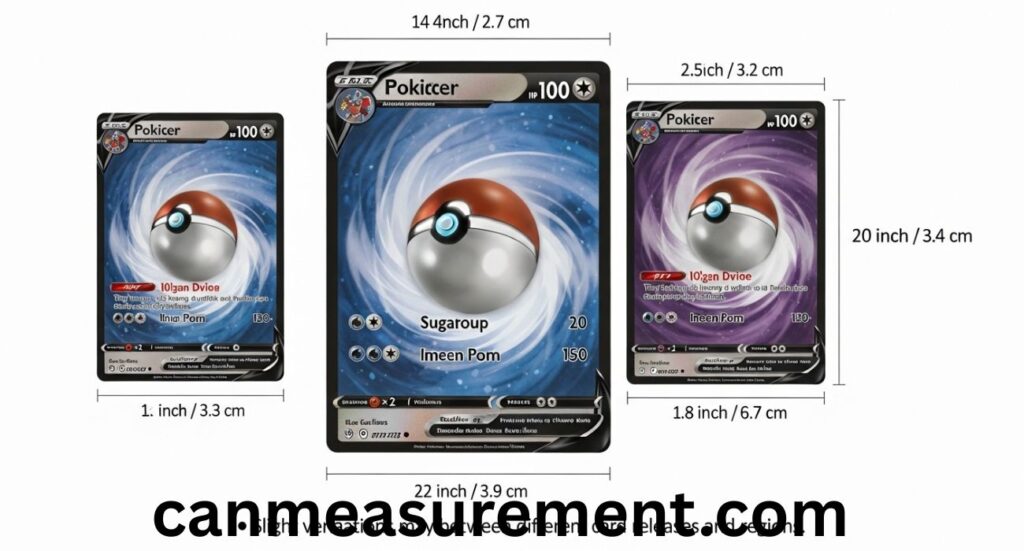
Modern jumbo Pokémon cards released after 2020 follow the Jumbo L format measuring approximately 133mm by 185mm. The Pokémon Company introduced this smaller jumbo style to improve storage and reduce production waste. These oversized cards commonly appear in Pokémon premium collection cards and anniversary bundles featuring fan-favorite characters.
The newer format fits better inside modern collector binders designed specifically for large cards. Many companies now manufacture jumbo card sleeves and protective binders tailored for this exact size. Collectors enjoy these cards because the enlarged artwork creates dramatic visual appeal. Some displays resemble miniature posters rather than ordinary cards, making them excellent Pokémon display cards for gaming rooms and offices.
Jumbo XL Card Size (Pre-2019)
Older oversized promo cards used the Jumbo XL format measuring roughly 145mm by 200mm. These vintage jumbo cards appeared frequently before 2019 and remain highly collectible today. Although the difference seems minor compared to Jumbo L cards, the sizing gap matters greatly when buying sleeves and binders. Many collectors accidentally purchase incorrect storage products because the measurements look nearly identical online.
These larger cards often accompanied older premium collection boxes featuring legendary Pokémon or anniversary releases. Their wider borders and expanded artwork create a nostalgic feeling for longtime collectors. Because production stopped years ago, surviving cards in mint condition attract strong interest from collectors seeking rare Pokémon merchandise connected to earlier eras of the hobby.
CoroCoro XXL Card Size
Among the rarest promotional formats, CoroCoro XXL cards measure approximately 145mm by 205mm. These oversized Japanese promotional cards originally appeared through special CoroCoro Comic campaigns in Japan. Their unusual dimensions and limited availability transformed them into highly desirable collector pieces. Serious fans often spend years searching for authentic copies in excellent condition.
Unlike standard promotional cards, these Japanese exclusive cards rarely appear outside specialized auctions and collector communities. Their extra length creates challenges for safe storage because standard oversized sleeves remain too small. Many collectors use custom acrylic cases or professional framing services for protection. These unique large format cards stand out immediately inside any collection because of their striking artwork and impressive physical presence.
How Pokémon Card Sizes Compare to Other Trading Cards
Many collectors also enjoy sports cards, Magic: The Gathering, or Yu-Gi-Oh!, so understanding size comparisons becomes useful. Fortunately, Pokémon cards share similar measurements with many Western trading card games. This similarity simplifies storage because collectors can often reuse sleeves, binders, and holders across multiple hobbies without buying separate accessories.
The shared sizing standard also improves manufacturing consistency across the industry. Companies producing card protection sleeves and storage accessories can create universal products supporting multiple games simultaneously. This compatibility saves collectors money while making hobby supplies easier to find locally or online. It also allows stores to organize shelves more efficiently around a single standard TCG card size.
Standard TCG Card Size Comparison
Pokémon cards closely match the dimensions used by many competing card games. This standardization benefits players who enjoy multiple hobbies because accessories remain interchangeable. Sports cards and Magic cards often fit the same sleeves and binders as Pokémon cards. However, Yu-Gi-Oh! cards use slightly smaller dimensions, which can create loose fits inside standard sleeves.
| Card Game | Card Dimensions |
| Pokémon | 63mm × 88mm |
| Magic: The Gathering | 63mm × 88mm |
| Sports Cards | 63mm × 88mm |
| Yu-Gi-Oh! | 59mm × 86mm |
This Pokémon card comparison helps collectors choose the correct accessories before purchasing expensive storage products. Proper sizing matters because loose sleeves allow cards to shift during transport while tight sleeves may damage corners over time.
Japanese vs. International Pokémon Card Sizes
Many collectors feel surprised when learning that Japanese Pokémon cards measure slightly smaller than international Pokémon cards. Japanese releases typically measure around 59.9mm × 86.1mm while English cards follow the standard 63mm × 88mm format. Although the difference appears tiny, it significantly affects Pokémon card sleeve size and binder compatibility.
Collectors buying accessories from overseas stores should always verify measurements carefully. Japanese sleeves may fit too tightly around English cards, increasing the risk of bent corners and edge whitening. Understanding international card sizing also helps collectors organize mixed-language collections more effectively. This knowledge becomes especially useful for players participating in global trading communities or purchasing imported rare promotional cards online.
Best Sleeves and Storage Options for Pokémon Cards
Protecting valuable cards starts with choosing high-quality sleeves and storage products. Many collectors first use perfect fit sleeves before placing cards into standard outer sleeves for extra protection. This double-sleeving method protects against moisture, dust, and accidental scratches. Competitive players especially value durable sleeves because tournament decks experience constant handling during matches.
Collectors storing expensive cards often combine binders, rigid holders, and climate-controlled containers for maximum safety. High-end Pokémon card display cases also protect valuable cards from sunlight and humidity damage. Serious Pokémon card collectors understand that proper storage preserves long-term value. A carefully protected collection can maintain sharp corners, clean surfaces, and vibrant colors for decades.
How to Tell if a Pokémon Card Has Incorrect Dimensions

Counterfeit Pokémon cards frequently fail to match official measurements precisely. Even small sizing mistakes can reveal fake products instantly. Authentic cards follow exact factory standards while counterfeit cards often appear slightly oversized, unusually thin, or poorly cut around the edges. These issues become easier to notice when comparing suspicious cards beside verified originals.
Collectors should also inspect texture, thickness, and flexibility during a Pokémon card authenticity check. Many counterfeit cards feel glossy or fragile compared to real cards. Measuring suspicious cards with digital calipers provides another reliable testing method. Since authentic cards maintain strict collectible card dimensions, even tiny inconsistencies may indicate fake production.
Best Pokémon Card Sleeves for Long-Term Protection
Choosing the right Pokémon card sleeves protects cards from scratches, dirt, and fading during daily use. Many collectors prefer double-sleeving because it creates an extra layer of security around valuable cards. Premium sleeves also improve grip during tournaments and prevent cards from sticking together while shuffling. Good sleeves may seem simple, yet they play a huge role in preserving expensive collections for years.
Collectors often compare matte sleeves and glossy sleeves before buying accessories for their decks. Matte finishes reduce fingerprints and glare while glossy sleeves highlight artwork colors beautifully. High-quality card protection sleeves also help during card grading preparation because clean surfaces stay in better condition. A strong sleeve can save a rare card from edge damage after only one accidental drop.
How to Store Pokémon Cards Without Damaging Them
Safe Pokémon card storage starts with keeping cards away from sunlight, moisture, and heat. Humidity bends cards slowly while direct sunlight fades colors over time. Experienced collectors use cool and dry storage spaces because cardboard reacts badly to environmental changes. Even small temperature shifts may weaken card corners and reduce overall condition surprisingly fast.
Many collectors use binders with padded covers and acid-free binder pages to organize valuable sets carefully. Rigid top loaders also protect ultra-rare cards from bending during transport. Strong collectible card storage solutions prevent accidental pressure damage inside backpacks and drawers. Proper organization keeps cards clean while making collections easier to display, trade, and enjoy with friends.
Why Pokémon Card Dimensions Matter for Card Grading
Professional grading companies inspect every tiny detail before assigning a final score to a card. Exact Pokémon card measurements matter because trimming or uneven cutting can lower grades instantly. Grading experts examine edges, corners, thickness, and centering under strong lighting tools. A card that appears perfect at home may still fail professional standards because of hidden manufacturing flaws.
Collectors preparing cards for grading usually inspect dimensions using rulers or digital calipers before submission. Correct sizing confirms that cards remain unaltered and authentic. During Pokémon card authenticity check procedures, graders compare dimensions against factory standards carefully. Cards with unusual cuts or improper sizing often receive lower grades or fail authentication entirely during inspection.
Most Valuable Oversized Pokémon Cards Ever Released
Some oversized Pokémon cards have become legendary collector items because of rarity and limited distribution. Promotional cards released during anniversaries or special events often reach extremely high market values today. Many collectors chase vintage jumbo cards because fewer survived in mint condition. Their large artwork also creates incredible display appeal inside gaming rooms and private collections.
Rare Pokémon promotional cards connected to tournaments or magazine campaigns remain especially valuable among serious collectors. Some Japanese-exclusive oversized releases sell for thousands of dollars at auctions. Collectors protect these treasures using custom frames and Pokémon card display cases designed for unusual dimensions. Strong demand continues growing as nostalgia pushes older promotional cards higher in value every year.
Common Pokémon Card Size Mistakes Collectors Make
Many beginners accidentally buy the wrong sleeves because they confuse Japanese and international card dimensions. This mistake may seem harmless, yet tight sleeves can bend corners permanently over time. Some collectors also ignore card measurement tolerance, assuming every card uses identical manufacturing standards. Small differences between products often create frustrating storage problems later.
Another common mistake involves storing cards loosely inside crowded boxes without proper support. Heavy pressure damages edges while weak boxes collapse during movement. Experienced collectors prefer dedicated TCG storage solutions because they organize cards safely and efficiently. Choosing proper accessories early helps avoid expensive mistakes that may damage valuable collections permanently.
Pokémon Card Binder Sizes Explained
Modern Pokémon card binders come in many styles designed for casual players and serious investors alike. Standard binders usually support nine-pocket pages while premium versions offer side-loading compartments for better security. Choosing the correct binder matters because low-quality materials may scratch cards or weaken over time. Good binders keep collections neat while improving long-term protection significantly.
Collectors often organize sets chronologically or by rarity inside binders to simplify browsing and trading. Padded zipper binders provide extra protection during travel and tournaments. Some advanced collectors even separate vintage and modern cards into different binders for better organization. High-quality binders remain one of the smartest investments for maintaining clean and attractive collections.
How Pokémon Booster Packs Keep Cards Safe
Factory-sealed Pokémon booster packs protect cards during shipping, storage, and retail handling before opening. The foil packaging shields cards from dust, moisture, and fingerprints while maintaining mint condition. Manufacturing machines seal packs tightly to reduce movement inside wrappers. This process helps prevent corner wear and surface scratches before cards reach collectors worldwide.
Collectors often store unopened booster packs because sealed products gain value over time. Vintage packs especially attract strong interest among investors and nostalgic fans. Protective acrylic cases add another safety layer around valuable sealed products. Many collectors display sealed packs beside graded cards and rare promos to create visually impressive collection showcases.
Differences Between Vintage and Modern Pokémon Card Sizes
Vintage Pokémon cards from the late 1990s usually follow the same standard measurements as modern releases. However, older cards sometimes feel thinner because printing technology and cardstock materials differed slightly during early production years. Longtime collectors notice these texture differences immediately when handling classic sets beside newer releases from recent expansions.
Modern cards often feature improved coatings, sharper printing, and stronger materials designed for durability. Enhanced manufacturing techniques also reduce production flaws compared to earlier generations. Despite these upgrades, the official dimensions remain nearly unchanged. This consistency helps collectors combine vintage and modern cards safely inside the same storage systems and protective accessories.
Best Pokémon Card Display Ideas for Collectors
Creative display setups transform ordinary collections into eye-catching room decorations filled with nostalgia and personality. Many collectors use wall-mounted shelves, acrylic stands, and LED lighting to highlight favorite cards beautifully. Oversized promo cards look especially impressive inside custom display card frames because their artwork becomes easier to admire from a distance.
Some collectors build themed displays featuring favorite Pokémon characters, vintage sets, or tournament memories. Protective UV-resistant frames prevent sunlight damage while keeping displays visually attractive. Proper card display solutions also help preserve card condition during long-term exhibitions. A carefully arranged display often becomes the centerpiece of gaming rooms, offices, or collector studios.
Why Authentic Pokémon Cards Have Exact Measurements
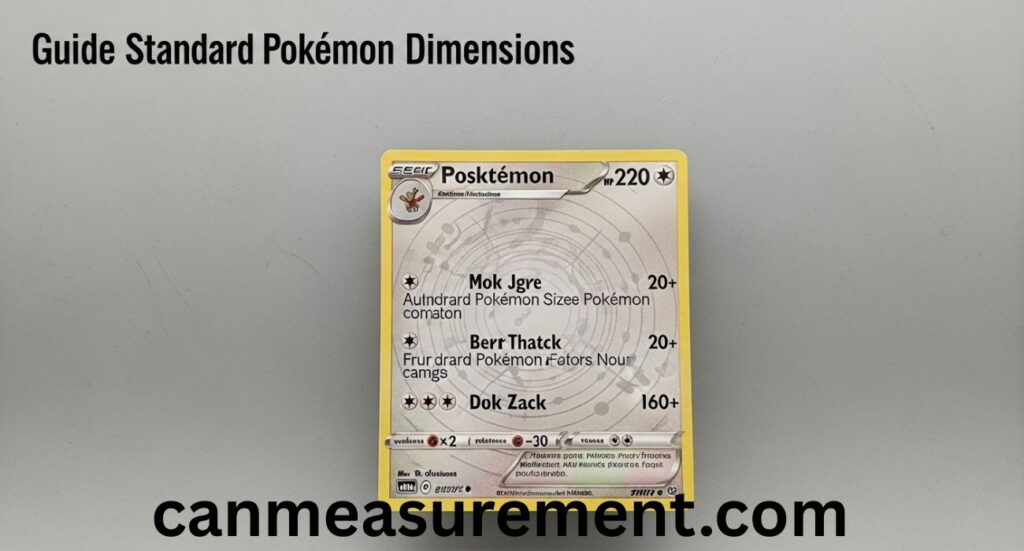
Authentic Pokémon cards follow strict factory standards because tournament fairness depends on consistent sizing and weight. Even tiny differences could affect shuffling, deck stacking, or card recognition during official matches. Manufacturers use advanced cutting equipment to maintain precise edges and accurate dimensions across millions of cards produced every year.
Counterfeit cards rarely match these strict production standards perfectly. Many fake cards appear too glossy, unusually thick, or slightly oversized compared to real cards. Collectors often compare suspicious cards against authentic examples during inspections. Accurate dimensions remain one of the easiest and most reliable ways to identify fake Pokémon cards quickly.
FAQs
What are the official Pokémon card dimensions?
Standard Pokémon cards measure 2.5 inches × 3.5 inches or 63mm × 88mm. These dimensions have stayed consistent since the Pokémon TCG launched in 1996.
Are jumbo Pokémon cards the same size as regular cards?
No, jumbo Pokémon cards are much larger than standard cards. Modern jumbo cards measure around 133mm × 185mm while older jumbo XL cards can reach 145mm × 200mm.
What size sleeves fit Pokémon cards properly?
Standard Pokémon cards fit best inside 66mm × 91mm or 67mm × 92mm sleeves. These sleeves provide enough space for safe protection without feeling too loose.
Are Japanese Pokémon cards smaller than English cards?
Yes, Japanese Pokémon cards are slightly smaller than international cards. Japanese cards usually measure about 59mm × 86mm while English cards use the standard 63mm × 88mm format.
Conclusion
Pokémon Card Dimensions helps every collector and player protect cards in the right way. Standard card sizes, jumbo cards, and special promotional formats all need proper care and correct storage. When you know the exact card measurements, you can choose the right sleeves, binders, and display cases with confidence. Good protection keeps cards clean, safe, and valuable for many years. It also helps you organize your collection better and enjoy your Pokémon cards every day.
Learning about Pokémon Card Dimensions also makes collecting easier and more enjoyable. Accurate card sizing helps you spot fake cards and prepare valuable cards for grading or display. Strong storage habits protect card corners, colors, and surfaces from damage. Every collector, whether new or experienced, benefits from knowing these important details. With the right knowledge and tools, you can build a well-protected Pokémon collection that stays in excellent condition for the future.