100 Grams: Common Things That Weigh 100 Grams and Easy Ways to Measure Them
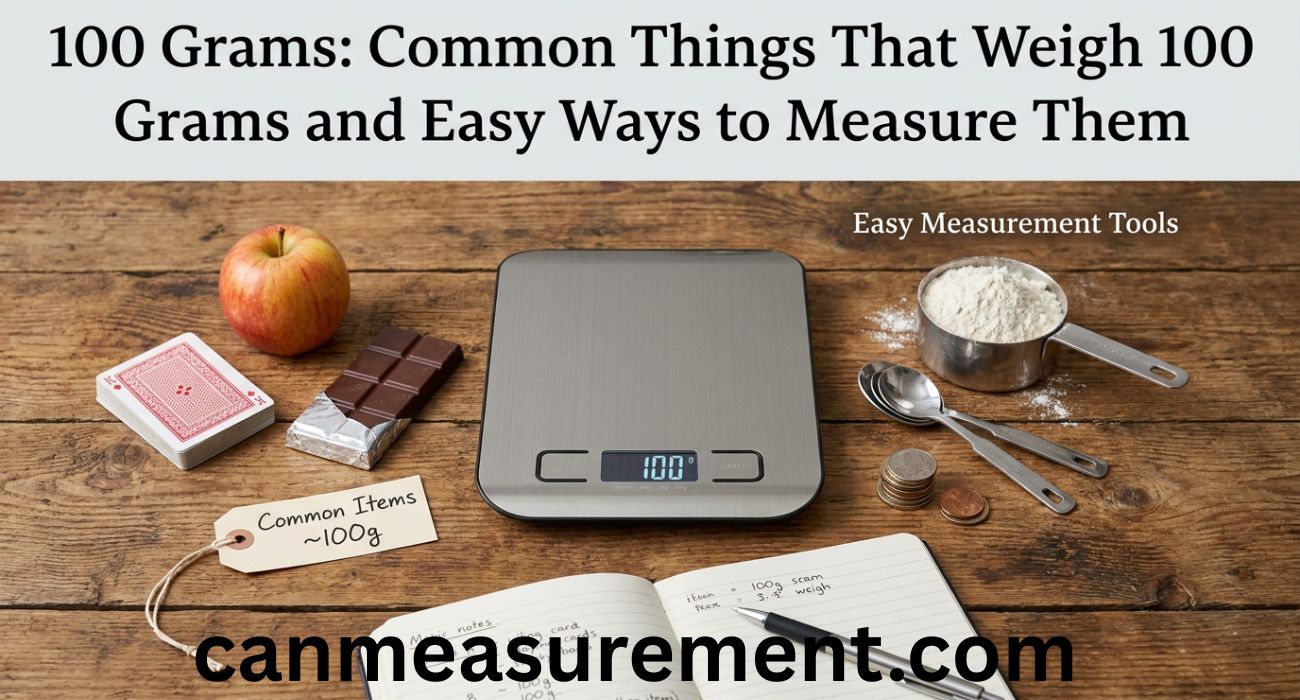
100 Grams is a common unit of weight in the metric system. People use it for food, cooking, and small objects every day. It equals about 3.5 ounces or one-tenth of a kilogram.
Many people cannot imagine how heavy 100 Grams really feels. Simple objects like apples, eggs, and batteries make weight easier to understand. These real-life examples help readers learn fast and remember better.
You can use 100 Grams for cooking, portion control, and package measurements. Many household items weigh close to this amount in daily life. Learning these examples makes weight estimation simple, quick, and useful.
100 Grams in Different Units
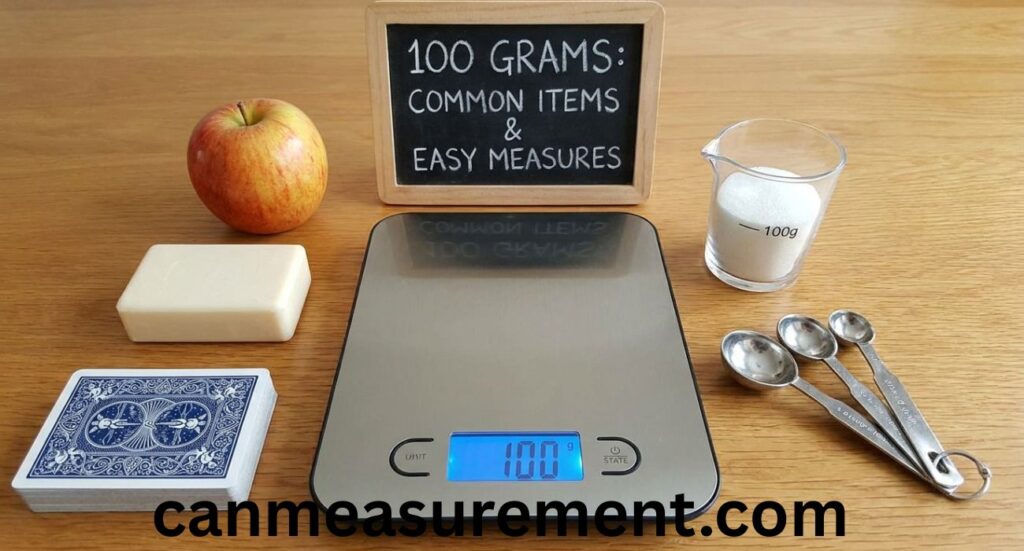
The easiest way to understand 100 grams in different units is through direct comparison. In the metric weight system, 100 grams equals 0.1 kilograms. It also equals about 3.53 ounces or 0.22 pounds in American measurements. These simple conversions help during baking, grocery shopping, and mailing small packages across the country.
Many home cooks rely on quick conversion charts because recipes often mix metric and US measurements. The table below gives a clear grams conversion reference for everyday tasks. This handy weight measurement guide improves accuracy during kitchen measurements, especially when handling ingredients like sugar, flour, or butter.
Read Also; iPhone Wallpaper Dimensions: Complete Guide to Perfect Wallpaper Sizes for Every iPhone
| Unit | Equivalent of 100 Grams |
| Kilograms | 0.1 kg |
| Ounces | 3.53 oz |
| Pounds | 0.22 lbs |
| Milligrams | 100,000 mg |
| Water | 100 mL |
| Sugar | About ½ cup |
| Flour | About ¾ cup |
📊 Quick 100-Gram Reference Table
A strong 100g weight reference helps you estimate weight quickly without overthinking the process. Most people cannot picture exact grams in their minds. However, familiar objects create instant understanding. A medium apple, four batteries, or a deck of cards all provide useful examples that simplify weight estimation in daily life.
This grams reference table includes several common things that weigh 100 grams. These examples work perfectly for students, cooks, fitness lovers, and anyone needing a fast comparison. The table also acts as a quick weight reference for measuring grams during everyday activities around the house.
| Item | Approximate Weight | Common Use |
| Medium Apple | 100g | Healthy snack |
| Deck of Cards | 100g | Portion comparison |
| Four AA Batteries | 100g | Household reference |
| Chocolate Bar | 100g | Snack serving |
| Two Medium Eggs | 100g | Cooking guide |
| Small Computer Mouse | 100g | Tech comparison |
12 Common Things That Weigh 100 Grams
Learning through familiar objects feels natural and practical. Instead of memorizing numbers, you connect weight with items already sitting in your kitchen, office, or backpack. These everyday items weighing 100g make the concept simple for children, adults, cooks, and even travelers preparing luggage or packages.
Many of these 100g objects also serve as excellent tools for weight calibration. You can compare them with food portions, kitchen ingredients, or small parcels. Once your brain remembers these real life 100g examples, estimating weight becomes almost automatic during daily routines.
A Medium-Sized Apple
A medium sized apple gives one of the easiest examples of 100 grams. Most apples weigh between 100 and 150 grams depending on variety and moisture content. This fruit creates a memorable 100 gram comparison because almost everyone has held an apple in their hand at some point.
Besides being a practical reference, apples support healthy eating habits. They contain dietary fiber, vitamin C, and powerful antioxidants that help digestion and heart health. The familiar medium apple weight also helps people understand food portions during calorie counting and nutrition tracking.
A Standard Bar of Soap
A standard bar soap usually weighs close to 100 grams. Most American soap bars range between 90 and 120 grams depending on brand and ingredients. Because soap feels dense and compact, it creates a strong physical memory for understanding small objects weight in real life.
The typical bar of soap weight also works well for household weight examples. You probably touch soap every single day, which makes it a reliable mental reference. This simple bathroom item proves that common household items can teach weight faster than complicated measurement charts.
A Stick of Butter
In the United States, one stick of butter weighs about 113 grams. This measurement appears constantly in recipes, making butter one of the most useful cooking ingredients for understanding grams. Many people already recognize standard butter stick measurements, so the comparison feels familiar immediately.
A stick of butter also improves cooking measurements because the wrapper contains printed measurement lines. Home bakers often divide butter into smaller portions without using a scale. The common stick of butter weight helps during desserts, sauces, pastries, and many classic American recipes.
20 US Nickels (or 40 US Pennies)
Coins provide one of the smartest ways to estimate exact grams without equipment. 20 US nickels equal exactly 100 grams because each nickel weighs 5 grams. Likewise, 40 US pennies also equal 100 grams since each modern penny weighs 2.5 grams.
This coin trick works perfectly for digital scale calibration and quick measurement approximation at home. Many jewelers, students, and hobbyists use coins because the US Mint produces them under strict standards. These coins create one of the best precise weight examples available without special tools.
A Standard Chocolate Bar
Many candy companies package chocolate in 100-gram bars because it creates a satisfying serving size. The familiar standard chocolate package gives people a tasty and memorable way to picture weight. Most grocery stores carry several brands with this exact measurement.
The common chocolate bar weight also supports food portion reference and calorie tracking. Instead of guessing snack size, people can compare portions with a standard chocolate bar. This practical example turns abstract grams into something visual, delicious, and easy to remember.
Four AA Batteries
Most alkaline AA batteries weigh around 25 grams each. Together, four AA batteries create a nearly perfect 100-gram reference. Since batteries appear in remote controls, flashlights, and toys, they become practical household reference items for everyday learning.
The reliable AA batteries weight makes them useful for quick comparisons during packing or shipping. Their compact design and consistent manufacturing standards provide accurate estimates. These lightweight objects also help people understand how surprisingly small 100 grams actually feels in the hand.
A Deck of Playing Cards
A standard deck with 52 cards and jokers weighs close to 100 grams. The familiar playing card deck size offers an easy way to understand objects around 100g. Many nutrition experts even use card decks as a visual guide for proper meat servings.
This famous deck of cards comparison helps with food portion control and healthy eating habits. A piece of meat roughly matching a card deck usually equals a balanced serving. The memorable deck of playing cards weight gives both visual and physical understanding of grams.
Two Medium-Sized Eggs
The average two medium eggs together weigh about 100 grams. Eggs provide an excellent kitchen reference because they appear in breakfast meals, baking recipes, and protein-focused diets across America. Their weight remains fairly consistent, which improves measurement accuracy.
The natural eggs weight also supports protein serving size education and meal planning. Eggs contain important nutrients and work as a complete protein source. This familiar food item helps people learn measuring ingredients while preparing balanced meals at home.
100 Paperclips
A standard paperclip weighs about one gram. Therefore, 100 paperclips together equal roughly 100 grams. This fun office example creates a simple math-based comparison that students and office workers remember easily for years.
The everyday paperclips weight also highlights how many tiny objects can combine into a measurable amount. These office paperclips create practical examples for schools, desk work, and classroom demonstrations. The comparison feels surprisingly satisfying because the math stays beautifully simple.
A Small Smartphone or Computer Mouse
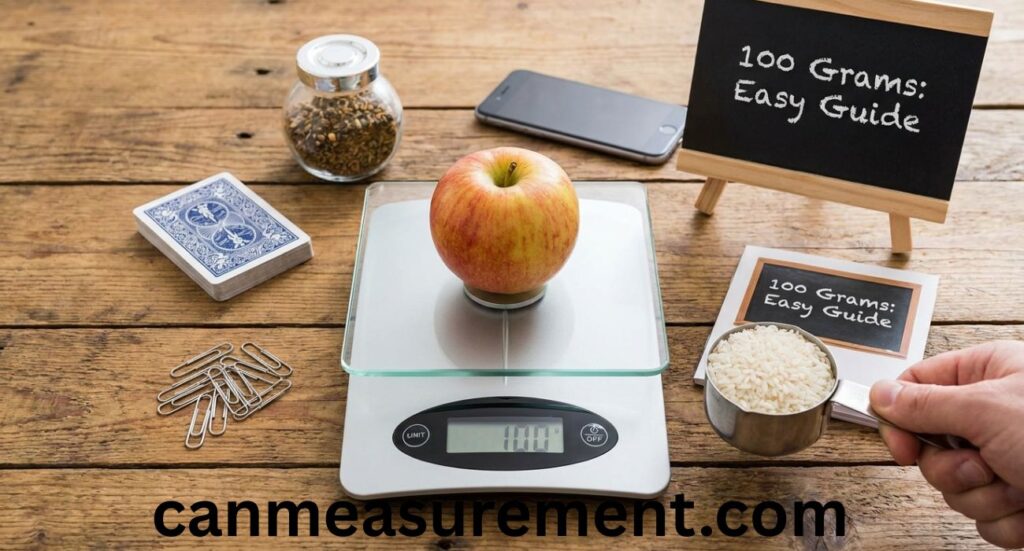
Many lightweight computer accessories weigh around 100 grams. The Apple Magic Mouse and several compact wireless mice fit this range perfectly. The familiar small smartphone weight also helps younger audiences picture grams using modern gadgets they handle every day.
Tech products provide strong portable weight reference examples because people carry them constantly. The balance between comfort and performance often depends on device weight. This creates useful daily household objects that naturally teach people how 100 grams feels in real life.
A Medium-Sized Banana
A medium banana size usually falls between 100 and 120 grams depending on ripeness and length. Bananas serve as another excellent fruit-based weight example because they are cheap, portable, and widely available across the United States.
The familiar medium banana weight supports healthy eating and food security awareness. Bananas contain potassium, fiber, and natural sugars that provide quick energy. This healthy snack also works as a useful portable energy snack during travel, exercise, or busy mornings.
Half a Cup of Sugar or Salt
About half a cup of sugar or table salt weighs close to 100 grams. This simple kitchen example helps home cooks understand measuring cups and spoons without using expensive digital tools. It also improves confidence during baking and meal preparation.
The familiar sugar and salt weight becomes especially important during precise baking measurements. Slight changes in ingredient amounts can completely change texture and flavor. Understanding half cup sugar, half cup salt, and brown sugar weight helps improve consistency in homemade recipes.
How to Measure 100 Grams Without a Scale
Many people need quick measurements when no scale sits nearby. Thankfully, several easy methods can estimate 100 grams with surprising accuracy. These simple techniques help during cooking, school projects, mailing packages, and fitness planning around the home.
This section explains how to measure 100 grams without a scale using ordinary objects. From coins to food items, these methods create a practical kitchen scale alternative for everyday life. Once you practice a few times, your sense of weight becomes much sharper naturally.
Using Coins for Measurement
Coins remain one of the most reliable tools for measuring without scale. Since each nickel weighs exactly 5 grams, 20 nickels create a perfect 100-gram bundle. This method offers excellent scale accuracy for people who need precise household measurements quickly.
The coin technique also serves as a trusted calibration method for testing digital scales. Because US coins follow strict production rules, their consistency stays remarkably dependable. This simple trick transforms spare pocket change into a smart household measuring system.
Using Measuring Cups and Spoons
Kitchen tools create useful approximations when weighing ingredients. A flour measurement of roughly three-quarters cup equals about 100 grams while water measurements stay even easier because 100 milliliters equals exactly 100 grams through direct water milliliters conversion.
These standard measurements improve daily cooking confidence. Home bakers often rely on cups and spoons instead of scales, especially in traditional American kitchens. Understanding these conversions makes recipes smoother and reduces mistakes during food preparation and baking projects.
Using Known Food Items
Food items offer the easiest and most natural references for understanding grams. Apples, bananas, eggs, and butter already live inside most kitchens. Comparing these familiar products creates strong weight visualization and practical memory connections for beginners.
These comparisons also help with nutrition portion guide planning and balanced meals. Once you repeatedly handle known 100-gram foods, your brain develops a better sense of size and density. Eventually, estimating weight becomes almost second nature during cooking and grocery shopping.
Estimating with Your Hand
Your hand can become a surprisingly useful measurement tool. A cooked meat portion about the size of your palm often weighs close to 100 grams. This famous palm size comparison helps during restaurant meals, fitness programs, and calorie tracking.
Many nutrition experts also recommend the meat portion size and card deck method together. These visual tricks simplify healthy eating without requiring scales or complicated charts. Over time, your hand develops into a dependable and portable measuring guide for everyday situations.
Why Understanding 100 Grams Matters in Daily Life
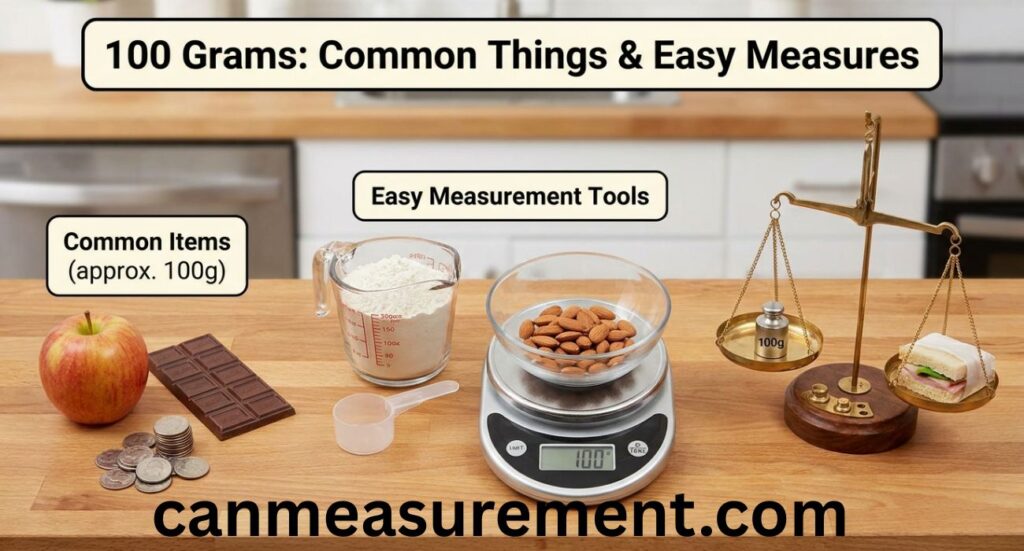
Many people use 100 grams every day without even noticing it. You may measure coffee beans, snacks, meat, or mailing packages regularly. Understanding this weight helps improve accuracy during cooking, shopping, and portion planning. It also prevents mistakes when recipes use metric measurements instead of cups or ounces in American kitchens.
The concept becomes easier once you connect grams with real objects around your house. These practical comparisons improve weight estimation skills quickly. Students, parents, and home cooks all benefit from learning simple measurement references. Even small tasks like tracking food intake or balancing package weight become smoother and more convenient with better understanding.
Best Kitchen Foods That Weigh Around 100 Grams
Kitchen foods provide excellent examples of things that weigh 100 grams because people handle them every single day. Rice, pasta, berries, nuts, and cheese often come close to this measurement. These familiar foods create strong visual memory and improve confidence during meal preparation or calorie tracking.
Understanding food weight also supports healthier eating habits and smarter grocery planning. Many nutrition labels use grams instead of cups or spoons. Once you recognize common food portions, you can prepare balanced meals without constantly checking a scale. This practical skill saves time while making daily cooking feel much easier.
How 100 Grams Helps With Portion Control
Healthy eating often begins with understanding portion size correctly. Many people accidentally eat larger servings because they cannot estimate food weight properly. Learning what 100 grams looks like helps create balanced meals without turning dinner into a complicated math problem or stressful routine.
Fitness trainers and nutrition experts often recommend visual comparisons for easier portion planning. A deck of cards, a medium apple, or two eggs can guide meal sizes naturally. These simple methods improve food portion control while helping people stay consistent with health goals, protein intake, and calorie management every day.
Easy Ways to Visualize 100 Grams Without Guessing
The human brain remembers pictures faster than numbers. That is why visual comparisons work so well for understanding weight. A small banana, four AA batteries, or a chocolate bar instantly helps people visualize 100 grams without needing technical tools or advanced measuring skills.
This method becomes especially useful during travel, shopping, or quick cooking tasks. Instead of worrying about exact numbers, you rely on memory and familiar objects. Over time, your brain builds stronger weight visualization skills naturally. Soon, estimating grams feels almost as easy as recognizing the size of your phone.
Common Cooking Ingredients Close to 100 Grams
Many everyday ingredients fall surprisingly close to 100 grams. Half a cup of sugar, a small bowl of oats, or a handful of almonds often matches this measurement. These common kitchen references help home cooks improve recipe accuracy while reducing waste and ingredient mistakes during preparation.
Cooking becomes far easier once you understand ingredient density and serving size. Flour, rice, and butter all measure differently even when cups look identical. Learning these differences improves baking texture, flavor balance, and consistency. Small measurement changes can completely affect cakes, cookies, sauces, and homemade bread in surprising ways.
Smart Household Tricks for Measuring Weight
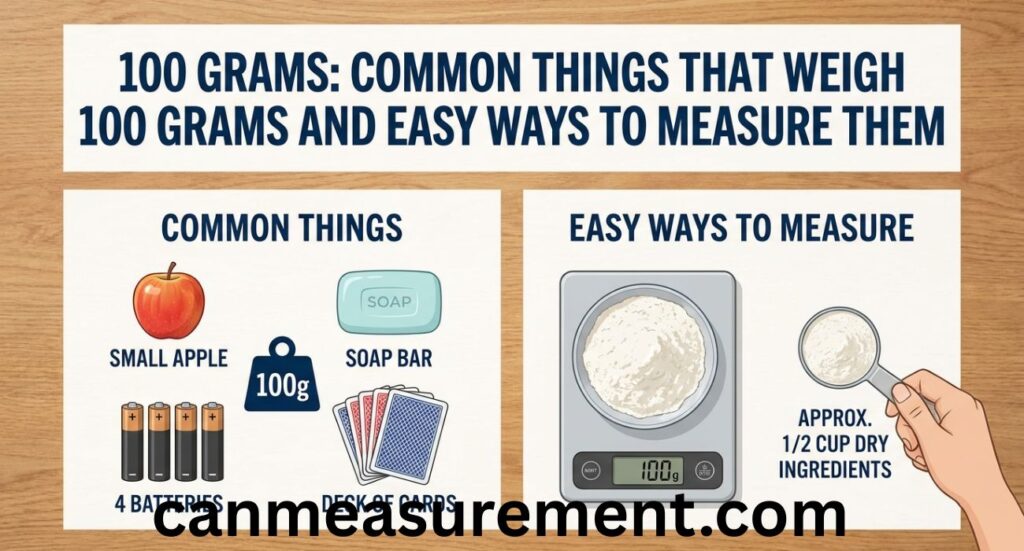
You do not always need expensive gadgets to measure grams correctly. Household objects like coins, batteries, soap bars, and paperclips provide quick references during daily tasks. These simple tricks create practical solutions for people who need fast answers while cooking, packing, or organizing small packages.
These methods also help children and students understand measurements in a fun way. Instead of memorizing confusing formulas, they learn through physical objects they already recognize. This hands-on approach improves memory and confidence. Practical learning often sticks better than textbook explanations because people can actually feel the weight directly.
Why Coins Are Perfect for Weight Calibration
Coins remain one of the best tools for weight calibration because the government controls their exact production weight. Every nickel weighs five grams, making them incredibly reliable for testing kitchen scales or estimating measurements without professional equipment at home.
This accuracy explains why hobbyists, collectors, and students often use coins for small measurements. You probably already have spare change sitting in a drawer or pocket. That convenience makes coins one of the easiest and cheapest measuring tools available. Few household objects combine precision, simplicity, and accessibility so effectively.
Everyday Tech Gadgets That Weigh 100 Grams
Modern technology has become lighter and more portable over the years. Many wireless computer mice, compact phones, and small gaming accessories now weigh close to 100 grams. These gadgets provide familiar examples for younger audiences who interact with electronics throughout the day.
Weight matters greatly in technology because comfort affects user experience. A mouse that feels too heavy can strain the wrist during long work sessions. Lightweight devices improve portability and convenience while maintaining performance. This balance between comfort and function explains why many modern accessories stay near the 100-gram range.
Simple Weight Comparisons Americans Use Most
Americans often think in pounds and ounces instead of grams. That creates confusion when recipes or nutrition labels switch to metric measurements suddenly. Simple comparisons help bridge the gap between these systems while making grams conversion easier for beginners and everyday home cooks.
For example, 100 grams equals about 3.5 ounces or one-fifth of a pound. A medium apple or deck of cards also helps explain the size instantly. These familiar references remove confusion and improve understanding quickly. Once people connect measurements with real objects, the numbers stop feeling abstract or intimidating.
How Learning Grams Improves Everyday Accuracy
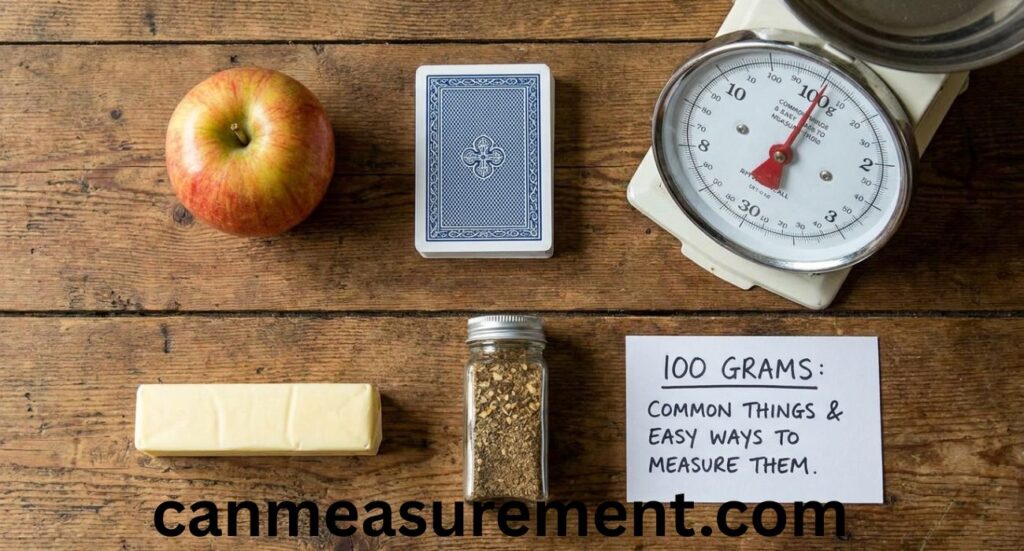
Understanding grams improves accuracy in more situations than most people realize. Cooking, shipping, fitness tracking, and grocery shopping all depend on proper measurements. Small mistakes may not seem important at first, yet repeated errors can affect recipes, budgets, or portion sizes over time.
Learning weight through practical comparisons builds confidence naturally. Instead of relying on guesswork, you begin recognizing patterns and familiar object sizes. This skill becomes useful in daily routines because accurate measurements save time, reduce waste, and improve consistency. Even simple household tasks feel smoother once you understand grams clearly.
FAQs
What does 100 grams look like in everyday life?
100 grams looks similar to a medium apple, a deck of playing cards, four AA batteries, or a standard chocolate bar. These common objects help you estimate weight quickly.
How can I measure 100 grams without a scale?
You can use 20 US nickels, two medium eggs, or half a cup of sugar as a simple way to measure 100 grams without a scale at home.
Is 100 grams equal to 1 pound?
No, 100 grams equals about 0.22 pounds or 3.53 ounces. It is much lighter than one full pound in the US measurement system.
Why is understanding 100 grams important?
Understanding 100 grams helps with cooking, portion control, shipping packages, nutrition tracking, and daily household measurements more accurately.
Conclusion
100 Grams is a common unit of weight in the metric system. People use it for food, cooking, and small objects every day. It equals about 3.5 ounces or one-tenth of a kilogram.
Many people cannot imagine how heavy 100 Grams really feels. Simple objects like apples, eggs, and batteries make weight easier to understand. These real-life examples help readers learn fast and remember better.
You can use 100 Grams for cooking, portion control, and package measurements. Many household items weigh close to this amount in daily life. Learning these examples makes weight estimation simple, quick, and useful.