
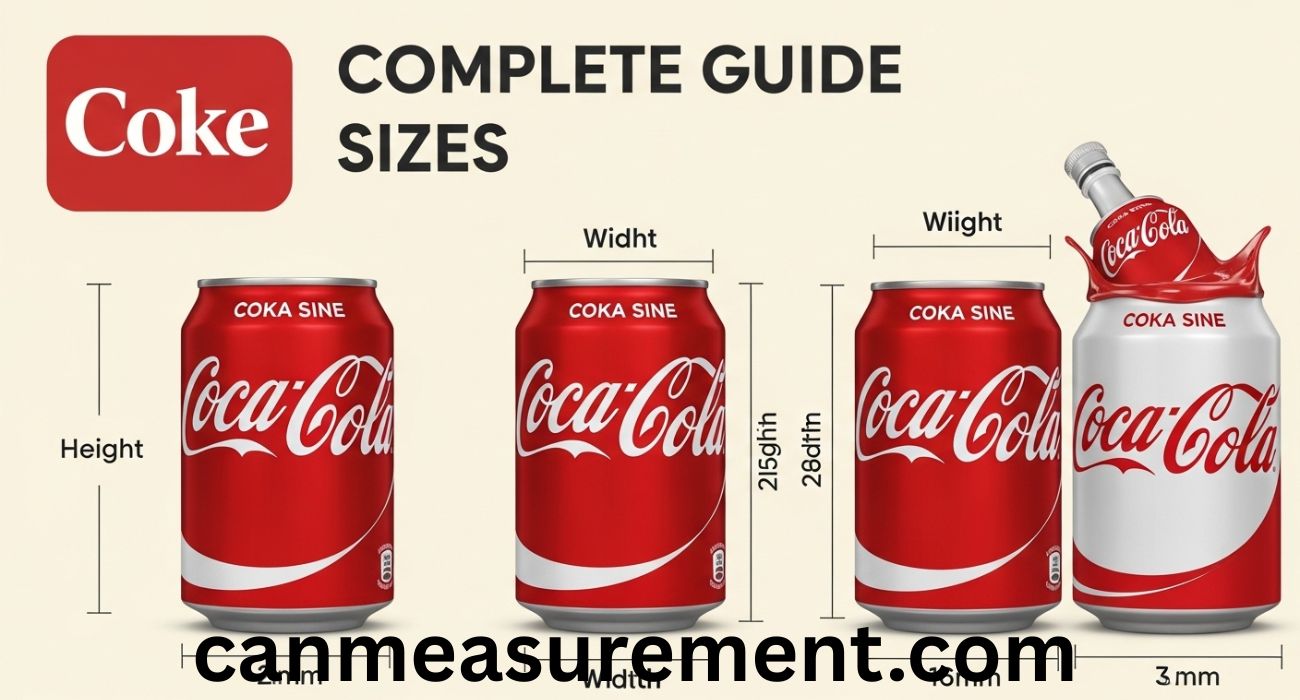
Coke Can Dimensions: Complete Guide to Coke Can Sizes, Height, Width, and Volume
Coke Can Dimensions describe the height, width, and size of Coca-Cola cans. These measurements help people understand different Coke can formats. They also help with storage, packaging, and transportation.
Many people see Coke cans every day but never notice their exact size. Small differences in can dimensions can change storage space and drinking comfort. That is why Coke can sizes matter more than most people think.
Coca-Cola makes many can sizes for different needs and lifestyles. Some cans work better for travel while others suit parties or home use. Understanding Coke Can Dimensions helps people choose the right can easily.
Coca-Cola Can Dimensions Comparison
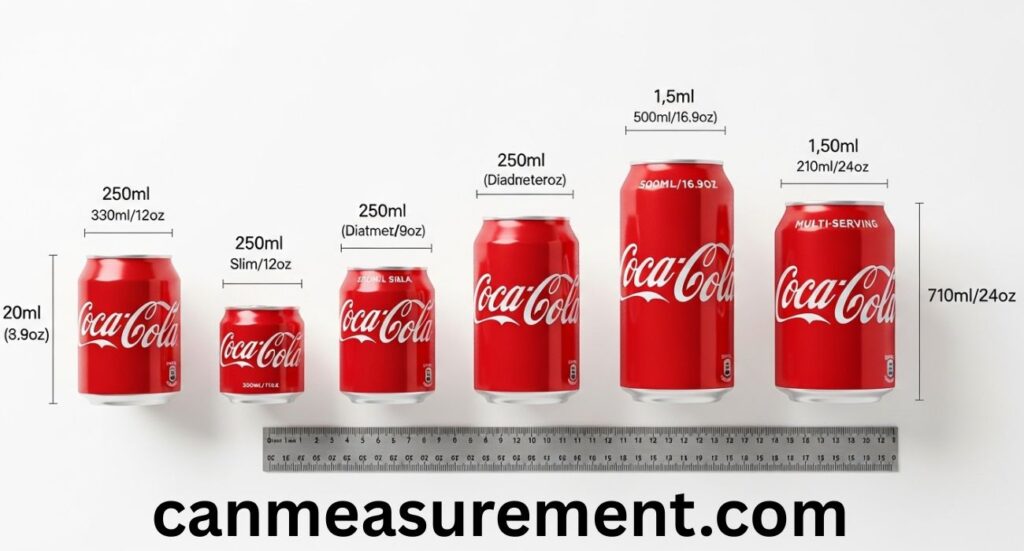
Coca-Cola offers several can sizes because consumers use them in different ways. Mini cans work well for lunch boxes while larger cans suit outdoor activities and parties. Despite these changes, most Coke cans still follow strict beverage industry standards. The familiar diameter stays nearly identical across many formats because factories, vending systems, and refrigerators already support those measurements. That consistency saves money and improves production speed across the beverage industry.
The table below shows the most popular Coke can dimensions sold in the United States and international markets. This simple soda can measurements chart helps readers compare can height and diameter quickly. It also explains how different can sizes fit specific situations like travel, storage, or portion control. Many consumers use this type of drink can dimensions guide before buying coolers or organizing pantry shelves.
Read Also; Pokémon Card Dimensions (Guide to Standard Pokémon Card Sizes)
| Coke Can Type | Height | Diameter | Volume |
| Mini Can | 4.2 inches | 2.6 inches | 7.5 oz |
| Standard Can | 4.83 inches | 2.6 inches | 12 oz |
| Slim Can | 6.125 inches | 2.25 inches | 12 oz |
| Tall Boy | 6.2 inches | 2.7 inches | 16 oz |
| Large Can | 7.5 inches | 2.87 inches | 20 oz |
| 330ml Can | 4.75 inches | 2.6 inches | 330 ml |
| 375ml Can | 5.11 inches | 2.6 inches | 375 ml |
| 250ml Can | 3.94 inches | 2.13 inches | 250 ml |
Standard Coke Can Dimensions in USA
The standard Coke can remains the king of American soda packaging. You see it in convenience stores, restaurants, movie theaters, and vending machines across the country. Coca-Cola designed this format to balance portability with enough beverage volume for a satisfying drink. The shape feels comfortable in your hand while fitting perfectly into most cup holders and coolers. This familiar design became the benchmark for the modern standard soda can size used by many beverage companies today.
Manufacturers also prefer this format because it works efficiently with existing equipment. Most bottling factories, retail shelves, and shipping systems already support the standard dimensions. That reduces manufacturing costs and improves speed during packaging. The size also supports better beverage transportation packaging because cans stack neatly on pallets during shipping. These practical advantages explain why the standard 12 oz Coke can continues dominating the American beverage market after decades of competition.
The Classic 12 oz Coke Can Size
The classic 12 oz Coke can measures about 4.83 inches tall with a 2.6-inch width at its widest point. This familiar size contains 355 milliliters of soda, making it one of the most recognized portable drink cans worldwide. Coca-Cola selected these measurements carefully after years of testing. The company wanted a can large enough to satisfy thirst while remaining light and easy to carry during daily activities.
This iconic design also improves user comfort. The balanced can height and diameter create a natural grip that feels secure without being bulky. Most adults can hold the can comfortably using one hand. The aluminum body remains strong despite its thin walls because engineers perfected the internal pressure structure decades ago. Today, this format serves as the foundation for many modern carbonated beverage packaging systems used around the world.
Anatomy of a Standard Coke Can
Every Coke can contains several carefully engineered parts working together as one durable aluminum beverage container. The pull-tab opening system allows smooth drinking while preventing leaks during transportation. The curved top and bottom sections strengthen the can structure and help it withstand internal carbonation pressure. Even tiny details like the rim shape improve comfort during drinking sessions.
The main cylindrical body acts as the central storage chamber for the beverage. Engineers designed this section using advanced aluminum can structure techniques to keep the can lightweight without sacrificing durability. The walls measure only a fraction of an inch thick yet still support stacking and shipping. Coca-Cola also uses the outer surface for branding, nutrition labels, and product information, making the can both functional and visually recognizable.
Different Coke Can Sizes and Their Dimensions
Coca-Cola understands that consumers want different drinking experiences. Some people prefer smaller portions while others enjoy larger servings during sports games or road trips. To meet these needs, the company developed multiple drink can sizes worldwide with varying capacities and dimensions. These options give consumers flexibility without changing the familiar Coca-Cola taste they already know and trust.
Different sizes also support changing lifestyle trends. Smaller cans help people manage sugar intake while larger cans provide better value for money. Certain formats target travel convenience while others focus on aesthetics and branding. This variety makes Coca-Cola one of the most adaptable beverage brands in the world. The wide selection also improves retail shelf variety and strengthens overall customer appeal in competitive markets.
Mini Coke Can Dimensions (7.5 oz)
Mini Coke cans stand about 4.2 inches tall while maintaining the same width as standard cans. These compact beverages became popular among consumers seeking smaller serving sizes and better portion control. Many parents buy mini cans for children because the smaller volume reduces sugar intake without eliminating the fun of drinking soda. These mini soda cans also fit perfectly into lunch boxes and compact coolers.
Another reason people love mini cans involves freshness. Smaller servings help consumers finish the drink quickly before carbonation fades away. This creates a colder and fizzier experience from the first sip to the last. Because the cans occupy less vertical space, they work especially well for refrigerator can storage inside crowded kitchens or office break rooms where every inch matters.
Tall Boy Coke Can Size (16 oz)
Tall boy Coke cans measure roughly 6.2 inches high with a slightly wider body than regular cans. These tall soda cans became popular in convenience stores because they provide more beverage without requiring consumers to buy two separate drinks. Sports fans, travelers, and outdoor workers often choose this format during long activities where hydration and convenience matter equally.
The increased volume also creates better value per ounce compared to smaller cans. Consumers often save money by choosing one larger can instead of two standard cans. However, the added height requires more careful storage planning inside coolers and refrigerators. These larger formats illustrate how soda can capacity directly influences packaging design and transportation requirements across the beverage industry.
Large Format Coke Cans (20 oz and 24 oz)
Large Coke cans offer maximum refreshment for consumers who want extended drinking sessions. These cans stand much taller than standard versions and contain significantly more soda. Their larger body creates a heavier feel in the hand while providing better beverage value. Many convenience stores place these products near checkout areas because consumers often buy them during travel or long workdays.
However, larger cans also present challenges. They require more cooler space and may not fit standard cup holders comfortably. Their greater surface area can also affect temperature retention over time. Despite these concerns, large Coke cans remain popular because they reduce the need for refills and provide stronger convenience during outdoor activities, concerts, or sporting events where beverage access may be limited.
Slim Coke Can Dimensions
Slim Coke cans introduced a modern twist to traditional soda packaging. Instead of using a short and wide body, Coca-Cola created a taller and narrower format that feels elegant and contemporary. This sleek design quickly gained popularity among younger audiences and premium beverage lines. The visual difference also helps products stand out on crowded store shelves filled with competing brands.
The rise of the Coca-Cola slim can reflects changing consumer preferences toward stylish packaging. Slim cans often appear in flavored beverages, sparkling waters, and Diet Coke products. Their thinner profile improves portability while creating a more upscale appearance. Many consumers associate slim cans with sophistication because the design resembles premium energy drinks and sparkling beverage products.
What Makes Slim Cans Different
Slim cans differ mainly in shape rather than beverage volume. Most slim Coke cans still contain 12 ounces of soda even though they look dramatically different from regular cans. The taller structure creates a sleek appearance while reducing overall width. This allows more cans to fit side-by-side on retail shelves, improving store efficiency and product visibility.
Consumers also notice a difference in hand feel. The narrower body feels lighter and easier to grip, especially for people with smaller hands. Modern car cup holders often support slim cans more effectively because manufacturers increasingly design interiors around slimmer beverage containers. This trend highlights how beverage packaging dimensions influence daily convenience and user experience.
Slim Can Size Specifications
A standard slim Coke can measures around 6.125 inches tall with a width near 2.25 inches. Although the shape changes significantly, the total beverage volume remains equal to a regular 12 oz can. This clever engineering allows Coca-Cola to create visual variety without changing serving size expectations for consumers.
The taller structure improves shelf visibility because slim cans stand out more clearly at eye level. Retailers also appreciate how the narrow diameter increases storage density. More units fit within the same shelf width compared to standard cans. These benefits make slim cans attractive for modern retail environments focused on maximizing space efficiency and product visibility.
Advantages of Slim Coke Can Dimensions
Slim cans provide several practical advantages beyond appearance alone. Their narrow body fits comfortably into modern cup holders and backpack pockets. Many consumers also find the shape easier to hold during walking or commuting. These cans create a premium drinking experience while maintaining familiar Coca-Cola flavor and carbonation quality.
Retailers gain benefits too. Slim cans improve shelf organization and increase product count per display section. This efficiency matters greatly in busy stores where shelf space directly affects profits. Slim cans also strengthen branding because their distinct appearance attracts attention quickly. The combination of convenience and visual appeal explains why slim cans continue growing in popularity across North America.
Criticisms and Drawbacks
Despite their popularity, slim cans receive criticism from some consumers. Their taller shape can tip over more easily on uneven surfaces. Certain users also feel the narrow body looks stylish but sacrifices practicality during everyday use. Some drivers report difficulty placing tall slim cans into older cup holders designed for wider beverage containers.
Others argue slim cans mainly serve marketing purposes instead of improving functionality. Since the beverage volume remains identical to regular cans, critics view the design as cosmetic rather than revolutionary. However, many consumers still prefer the elegant look and lightweight feel. This ongoing debate shows how packaging design influences consumer psychology just as much as physical convenience.
International Coke Can Dimensions
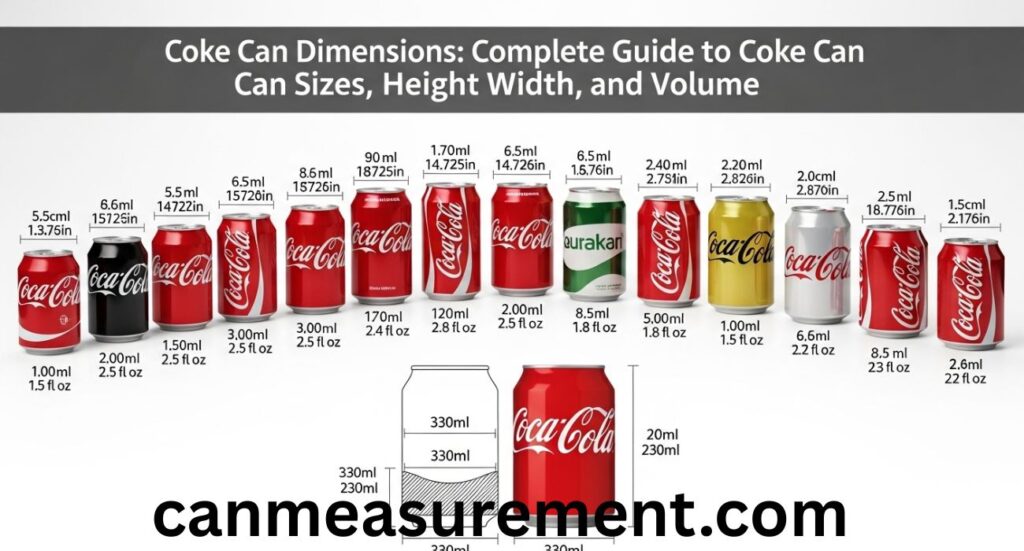
Coca-Cola adapts packaging sizes for different countries because consumer habits vary worldwide. Some regions prefer smaller portions while others expect larger beverage servings. These differences shape manufacturing standards and influence global beverage container specifications. Travelers often notice these changes immediately when buying soda abroad because international cans may look surprisingly different from American versions.
Regional preferences also affect vending systems and transportation methods. European countries often use smaller cans because compact refrigerators and urban living spaces dominate city life. Meanwhile, Australia commonly sells slightly larger formats. These variations demonstrate how international beverage cans evolve according to local lifestyles, retail systems, and cultural drinking habits.
330ml Coke Can Size (Common Import)
The 330ml Coke can measures roughly 4.75 inches tall with a width close to standard American cans. This format appears frequently in Europe and imported grocery stores throughout the United States. Although slightly smaller than a 12 oz American can, the difference feels minor during casual drinking sessions.
Imported 330ml cans often attract collectors and international food enthusiasts. Some consumers even claim imported Coke tastes slightly different because formulas vary by country. These cans also demonstrate how global markets maintain familiar branding while adapting package sizes for local consumer expectations and regional beverage traditions.
375ml Coke Can Dimensions (Australian Standard)
Australia commonly uses the 375ml Coke can, which stands about 5.11 inches tall. This format provides slightly more beverage than the standard American version while maintaining a familiar overall appearance. Australian consumers prefer this middle-ground serving size because it balances value with portability.
In the United States, these cans mainly appear in specialty import shops or international grocery stores. Some American consumers enjoy trying them simply for novelty. Their dimensions also reveal how beverage companies adapt package sizes without dramatically changing the overall drinking experience consumers already expect from Coca-Cola products.
250ml Coke Can Size (Compact International)
The 250ml Coke can ranks among the smallest mainstream Coke formats available worldwide. Standing just under four inches tall, these compact Coke cans focus heavily on portability and portion control. Airlines, hotels, and vending systems commonly use this size because it saves space while still offering refreshment.
These smaller cans also support modern health-conscious lifestyles. Consumers seeking reduced sugar intake often prefer compact servings instead of large beverage portions. Their tiny dimensions make them perfect for crowded refrigerators, travel bags, and office storage spaces where efficiency matters more than maximum beverage volume.
Why Coke Can Dimensions Matter
Coke can dimensions affect much more than appearance. They influence manufacturing efficiency, transportation costs, shelf organization, and even recycling systems. Beverage companies spend millions studying packaging dimensions because tiny adjustments can dramatically impact storage capacity and shipping performance across large distribution networks.
Consumers also benefit directly from smart packaging design. Proper dimensions improve convenience during travel, shopping, and home storage. Whether someone packs drinks for a picnic or organizes a refrigerator, accurate measurements simplify planning. These practical details explain why packaging dimensions remain a major focus within the global beverage industry.
Storage and Space Planning
Efficient beverage storage planning depends heavily on understanding Coke can dimensions. Standard cans stack neatly inside refrigerators because manufacturers design shelves around common beverage sizes. Mini cans save vertical space while taller formats require deeper compartments and stronger shelf support.
Coolers and storage bins also rely on standardized measurements for maximum efficiency. Most cooler manufacturers calculate interior layouts based on standard soda can sizes. This allows consumers to fit more drinks with less wasted space. Understanding these dimensions helps families organize groceries and prepare for parties more effectively.
Transportation and Packaging
The beverage industry depends on consistent sizing for efficient shipping operations. Standardized can dimensions allow pallets to stack securely inside trucks and warehouses. This consistency improves loading speed while reducing damage during transportation. Modern beverage transportation packaging systems rely heavily on predictable can shapes and sizes.
Factories also benefit from uniform packaging standards. Production lines can process millions of cans daily because equipment remains calibrated for consistent dimensions. This efficiency lowers manufacturing costs while improving product reliability. Without standardized sizing, transportation and retail logistics would become far more expensive and complicated.
Recycling and Sustainability
Coca-Cola cans use recyclable aluminum because it remains lightweight, durable, and environmentally efficient. Modern recyclable aluminum cans can return to store shelves within weeks after recycling. This rapid reuse reduces waste and lowers energy consumption compared to producing entirely new aluminum materials.
Packaging engineers continuously refine and can design to reduce material usage without sacrificing durability. Even tiny reductions in aluminum thickness save enormous resources when billions of cans are produced annually. These improvements strengthen Coke can recycling efforts while helping beverage companies reduce environmental impact across global manufacturing operations.
How Coke Can Size Affects Your Experience
Coke can size changes how consumers interact with the beverage itself. Smaller cans feel colder longer because users finish them quickly. Larger cans provide more value but may lose carbonation before the final sip. These subtle differences influence customer satisfaction more than many people realize.
Packaging shape also affects comfort and convenience. Slim cans feel elegant while standard cans offer familiar stability. Even the sound of opening a Coke can contribute to the overall experience. Beverage companies study these sensory details carefully because consumer emotions often shape purchasing decisions as strongly as flavor itself.
Carbonation and Freshness
Smaller Coke cans usually maintain carbonation better during drinking because consumers finish them quickly. Once opened, soda gradually loses carbon dioxide through surface exposure. Larger cans contain more liquid but also remain open longer, increasing the chance of reduced fizz near the end.
Temperature retention also depends partly on can dimensions. Narrow cans may warm differently compared to wider formats because surface exposure changes slightly. Coca-Cola engineers account for these factors carefully during product development to maintain consistent taste and freshness across different can sizes and beverage formats.
Drinking Experience
The drinking experience changes surprisingly based on can shape and size. Standard cans feel stable and familiar while slim cans create a more delicate grip. Taller cans may pour faster because gravity increases liquid flow slightly during drinking.
Consumers also notice differences in portability. Slim cans slide easily into bags and cup holders while larger cans feel heavier during long activities. These subtle ergonomic differences explain why packaging design remains essential within modern beverage branding and consumer psychology research.
Value Analysis by Size
Larger Coke cans usually provide better cost per ounce compared to mini cans or specialty formats. Consumers buying in bulk often save significantly by purchasing larger packages instead of individual servings. This pricing strategy encourages higher-volume purchases while improving perceived value.
However, smaller cans still attract strong demand because convenience and portion control matter to many shoppers. Some consumers willingly pay more for smaller servings because they reduce waste and support healthier consumption habits. This balance between affordability and convenience shapes purchasing decisions across the entire soft drink market.
Coke Can Dimensions for Refrigerators and Coolers
Most modern refrigerators are designed around the standard soda can size, which makes Coke cans easy to organize on shelves and door compartments. A regular 12 oz Coke can fit comfortably inside most cooling spaces because manufacturers follow consistent beverage container specifications. This uniform sizing helps families store more drinks neatly without wasting valuable refrigerator space during parties, holidays, or weekend gatherings.
Coolers also depend heavily on accurate soft drink packaging measurements for efficient packing. Standard Coke cans stack tightly beside ice while reducing movement during transportation. Slim cans save horizontal space while tall soda cans require deeper cooler compartments. Understanding exact can dimensions helps travelers, campers, and sports fans maximize cooling efficiency during outdoor events or long road trips.
Best Coke Can Sizes for Travel and Road Trips
Travelers often choose smaller Coke cans because they fit easily inside backpacks, cup holders, and insulated travel bags. The compact shape of mini Coke cans makes them ideal portable drink cans during flights, commuting, or hiking adventures. Their smaller volume also reduces spills while allowing people to enjoy a quick refreshing drink without carrying extra weight during movement.
Larger Coke cans work better for long-distance driving because they reduce the need for multiple beverage stops. Many drivers prefer slim Coke cans because modern vehicles feature narrow cup holders designed for newer beverage shapes. These practical benefits explain why different beverage can formats continue evolving to match changing transportation trends and modern travel habits.
How Coke Can Dimensions Affect Vending Machines
Every vending machine uses carefully calibrated slots based on standard Coke can dimensions. Manufacturers design these machines around specific vending machine can size measurements to ensure cans drop smoothly without jamming. Even tiny differences in width or height can disrupt dispensing systems. That is why beverage companies maintain strict dimensional consistency across major can formats sold nationwide.
Slim cans created new opportunities for vending machine companies because narrower shapes allow more products inside compact spaces. However, older machines sometimes struggle with taller cans due to shelf limitations. This relationship between vending systems and beverage packaging dimensions shows how packaging design influences retail technology and customer convenience across busy public locations.
Why Aluminum Coke Cans Became Industry Standard
Aluminum changed the beverage industry forever because it offered strength without excessive weight. Modern Coke cans use lightweight metal that protects carbonation while remaining easy to recycle. The rise of the aluminum beverage container allowed beverage companies to reduce shipping costs and improve portability compared to older glass bottles that weighed significantly more during transportation.
Another major advantage involves sustainability. Aluminum can be recycled repeatedly without losing quality, making it ideal for mass beverage production. Today, billions of recyclable aluminum cans move through recycling systems yearly across the United States. This efficient reuse process lowers manufacturing waste while supporting environmentally friendly packaging strategies within the modern soft drink industry.
How Coke Can Design Changed Over the Years
Early Coca-Cola cans looked very different from today’s sleek designs. Older cans used thicker metal and simpler graphics because manufacturing technology was less advanced. Over time, engineers improved the soda can design structure to create lighter and stronger packaging. These improvements reduced costs while making cans easier to transport, open, stack, and recycle efficiently.
Modern Coke cans now combine branding with advanced engineering. Curved edges strengthen the can body while slim designs attract younger audiences seeking stylish packaging. Even the pull-tab evolved significantly over decades. Today’s cans represent a balance between marketing appeal, functionality, and durability, proving how beverage packaging continuously adapts to changing consumer expectations.
Coke Can Dimensions and Retail Shelf Space
Retail stores carefully organize products based on packaging dimensions because shelf space directly affects sales. Standard Coke cans remain popular because they align perfectly with existing shelf systems and coolers. Their familiar shape allows stores to maximize display efficiency while maintaining attractive product layouts that encourage impulse purchases from shoppers moving through crowded aisles.
Slim Coke cans introduced another advantage for retailers. Their narrow width increases product density, allowing stores to place more beverages in the same shelf area. This improved efficiency boosts potential sales per square foot. These practical benefits explain why packaging companies constantly analyze drink can comparison data to optimize retail performance and visual merchandising strategies.
Why Slim Coke Cans Appeal to Younger Consumers
Slim Coke cans became especially popular among younger audiences because they feel modern and stylish. Their sleek shape resembles premium sparkling drinks and energy beverages often associated with trendy lifestyles. Many consumers view the Coca-Cola slim can as more elegant than traditional cans, even though both versions usually contain the same amount of soda inside.
Social media also helped increase slim can popularity. Their taller profile photographs well in lifestyle images and promotional campaigns. Beverage companies understand how visual branding shapes consumer behavior, especially among younger demographics. This connection between design and perception shows how packaging influences emotional responses alongside product taste and convenience.
Coke Can Recycling Process Explained
The recycling journey for Coke cans begins the moment consumers place empty cans into recycling bins. Sorting facilities separate aluminum from plastic and glass before compressing the cans into dense bundles. These bundles travel to recycling plants where workers melt the metal and reshape it into new sheets for future carbonated drink container production.
One major advantage of aluminum recycling involves speed. A recycled Coke can may return to store shelves within sixty days after disposal. This rapid turnaround supports sustainable packaging systems while reducing environmental waste. Efficient Coke can recycling programs also lower energy usage because recycled aluminum requires far less processing than newly mined raw materials.
How Coke Can Sizes Influence Beverage Temperature
Can size directly affects how quickly a beverage warms after opening. Smaller cans stay colder longer because consumers usually finish them before temperature changes become noticeable. Mini cans create a fresher experience during hot weather because less liquid remains exposed to warm air during drinking sessions.
Larger cans may lose coldness more quickly during slow consumption because more surface area interacts with surrounding temperatures over time. Slim cans sometimes feel colder initially because their narrow body concentrates chilled aluminum against the hand. These subtle differences show how packaging dimensions influence everyday drinking comfort and overall beverage satisfaction.
Coke Can Dimensions Compared to Energy Drink Cans
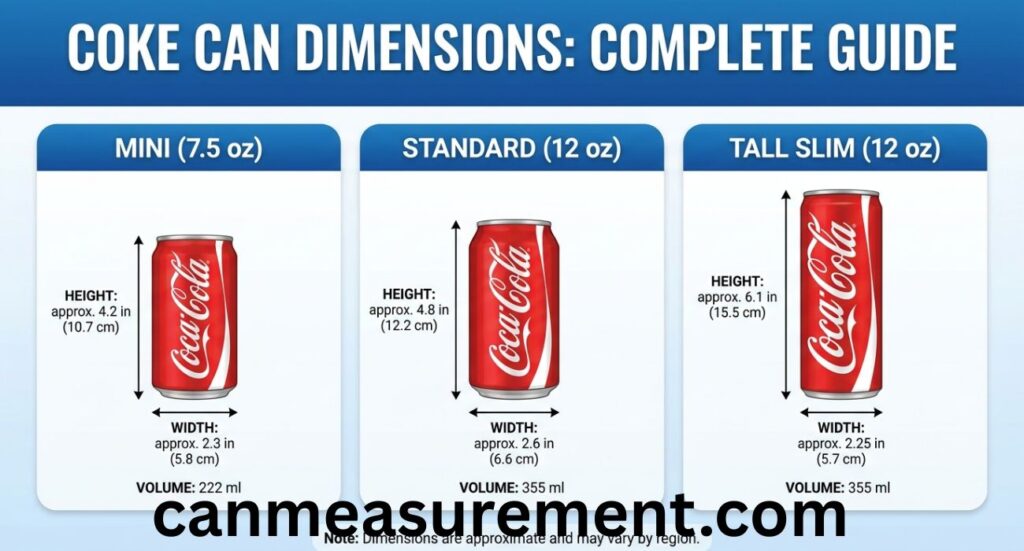
Energy drink cans often use taller and narrower designs compared to traditional Coke cans. Brands choose these shapes because they appear modern and premium while fitting easily into car cup holders. However, many still follow similar can height and diameter principles used throughout the beverage industry to maintain compatibility with storage and transportation systems.
Traditional Coke cans prioritize familiarity and stability while energy drink packaging focuses more on aggressive branding and portability. Despite visual differences, both categories rely on strict beverage industry standards for manufacturing efficiency. This comparison highlights how packaging evolves across beverage markets while maintaining practical functionality for consumers and retailers alike.
FAQs
What are the standard Coke can dimensions in the USA?
A standard 12 oz Coke can measures about 4.83 inches tall and 2.6 inches wide. This size is the most common standard soda can size used across the United States.
How tall is a slim Coke can?
A Coca-Cola slim can usually stands around 6.125 inches tall with a narrower 2.25-inch diameter. Its sleek design fits modern cup holders and small storage spaces easily.
Why do Coke cans come in different sizes?
Coca-Cola creates multiple can sizes to match different consumer needs like travel, portion control, parties, and convenience. These varying beverage can formats also improve retail shelf efficiency and portability.
Are Coke cans recyclable?
Yes, Coke cans are made from aluminum and are fully recyclable. Modern recyclable aluminum cans help reduce waste and support environmentally friendly packaging systems.
Conclusion
Coke Can Dimensions play an important role in daily life. They help people store drinks easily in refrigerators, coolers, and vending machines. Different Coke can sizes also give better choices for travel, parties, lunch boxes, and outdoor activities. The standard 12 oz can remains the most popular option in the United States because it offers a good balance of size, comfort, and portability.
Coca-Cola also makes slim cans, mini cans, and large cans for different needs and lifestyles. Each design improves convenience and supports modern packaging trends. Understanding Coke Can Dimensions helps people choose the right can size for storage, value, and drinking comfort. These measurements also support better recycling, transportation, and packaging efficiency across the beverage industry.