Magazine Dimensions: Complete Guide to Standard Magazine Sizes and Formats in 2026
Magazine Dimensions refer to the width and height of a magazine page in simple terms. These measurements decide how big or small a magazine looks in real life. Publishers use Magazine Dimensions to plan layout, images, and text space. It helps them create clear and well-organized pages for readers. Good dimensions make printing easier and more accurate.
A strong understanding of Magazine Dimensions helps attract readers easily. A well-sized magazine feels comfortable in the hands and looks more professional. It also improves reading flow and keeps attention on the content. Designers choose sizes that match audience needs and printing goals. This makes every magazine more useful and visually appealing.
Magazine Dimensions also control how content is printed and presented. Common sizes like 8.5 × 11 inches or 5.5 × 8.5 inches are widely used. These sizes support both images and text in a balanced way. Proper dimensions improve quality, readability, and overall design strength.
Standard Magazine Dimensions
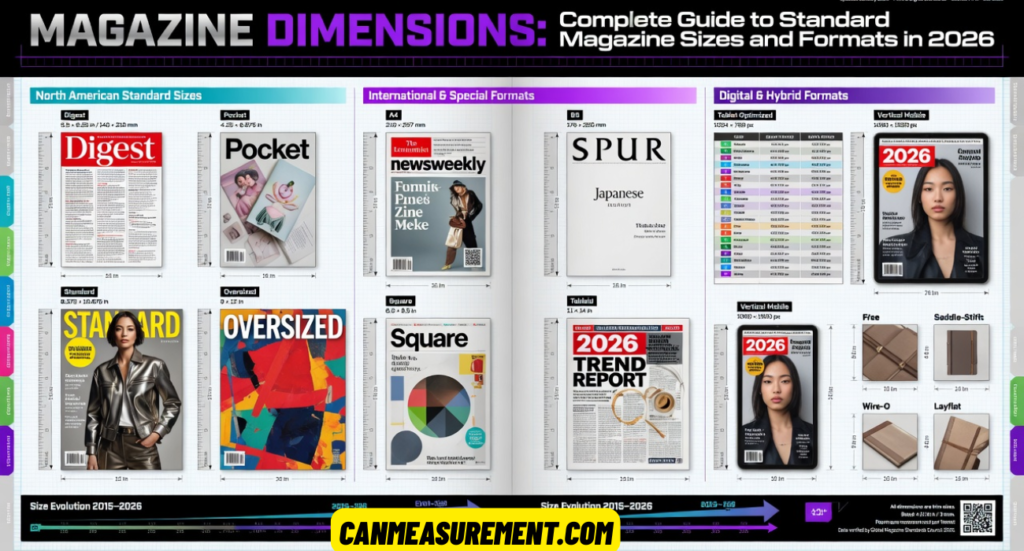
Choosing the right magazine dimensions changes the entire reading experience. A smart magazine size improves printing quality, boosts branding, and helps readers enjoy every page comfortably. Most publishers in the United States prefer standard magazine dimensions because they work smoothly with commercial printers, mailing systems, and modern publication design tools. Good sizing also improves reader engagement because pages feel balanced and easy to hold during long reading sessions.
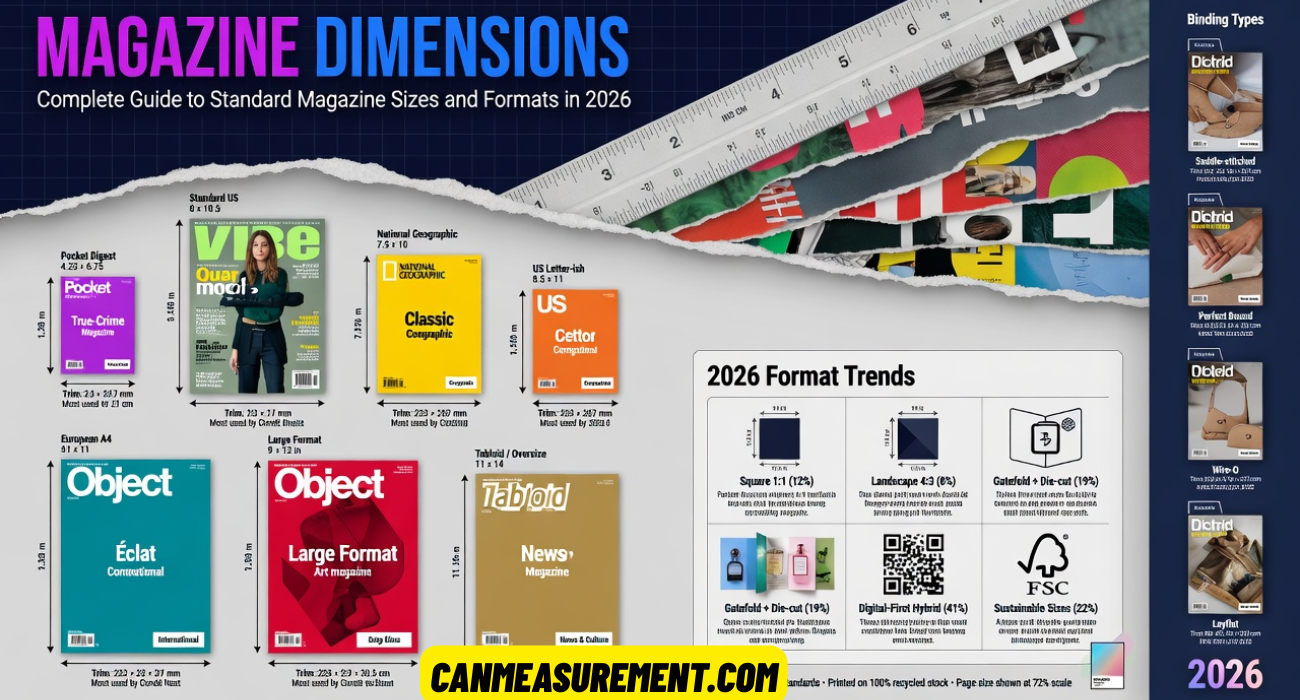
Modern US magazine dimensions support many styles of content. Some publishers use compact formats for portability while others choose large pages for dramatic visuals. The most common magazine formats include 8.5 × 11 inches, 5.5 × 8.5 inches, and 11 × 17 inches. These popular sizes match different industries, from consumer magazines to luxury fashion brands. Strong sizing decisions also improve magazine readability, advertising layouts, and overall print quality.
| Magazine Format | Dimensions | Metric Size | Common Use |
| Standard Letter | 8.5 × 11 inches | 216 × 279 mm | Consumer magazines |
| Digest Size | 5.5 × 8.5 inches | 140 × 216 mm | Compact publications |
| Tabloid Size | 11 × 17 inches | 279 × 432 mm | Large-format magazines |
| Pocket Size | 4 × 6 inches | 102 × 152 mm | Travel guides |
| Oversized | 9 × 12 inches | 229 × 305 mm | Premium publications |
Letter Size Magazine (8.5 × 11 inches)
The classic letter size magazine remains the backbone of the American publishing industry. These print magazine dimensions create balanced pages with enough room for headlines, stories, and high-quality images. Publishers love this format because standard printing machines already support 8.5 × 11 inches pages perfectly. This sizing also reduces waste during magazine printing and lowers overall magazine production costs for publishers managing large monthly circulation.
Readers also enjoy the comfort of standard pages. A clean magazine layout gives writers room for large text blocks, stylish visuals, and smooth column structures. Famous fashion and lifestyle brands often use these dimensions because they improve reader comfort while showcasing elegant magazine spreads. Strong typography and carefully planned advertising layouts look polished on standard pages without appearing crowded or overwhelming.
Professional designers usually prepare this format using Adobe Illustrator magazine size templates or detailed InDesign magazine setup documents. Printers recommend adding bleed areas and safe zones around each page before exporting print-ready files. These adjustments protect text and graphics near the trim lines during cutting. Proper sizing also supports better magazine resolution, sharper images, and reliable print reproduction during mass printing runs.
Read Also : 9 Inches: Complete Guide to Real-Life Size, Comparison, and Everyday Examples
Digest Size Magazine (5.5 × 8.5 inches)
The compact digest size magazine creates a friendly and portable reading experience. These smaller publication dimensions measure 5.5 × 8.5 inches or 140 × 216 mm, making them ideal for travelers and busy commuters. Many educational companies and subscription publishers choose digest sizing because readers can easily carry the publication inside bags, purses, or backpacks. Small formats feel practical without sacrificing strong visual design.
Publishers also save money when using compact dimensions. Reduced paper use lowers magazine production costs while maintaining excellent print quality. Many compact publications rely on this format because smaller pages still provide enough room for creative storytelling and attractive magazine cover dimensions. The balanced page structure supports simple grid systems, organized layouts, and comfortable spacing for readers who prefer shorter reading sessions.
Many brands use digest sizing for travel guides, mini business journals, and educational reference magazines. Designers often create these layouts using smaller magazine artboard size templates in design software. Despite reduced space, creative teams still produce impressive professional magazine layouts with modern photography and stylish headlines. Compact pages prove that effective design depends more on smart planning than oversized paper.
Tabloid Size Magazine (11 × 17 inches)
The dramatic tabloid size magazine attracts readers instantly through bold visuals and oversized storytelling. Measuring 11 × 17 inches or 279 × 432 mm, these large pages create powerful visual impact across entertainment, sports, and celebrity publishing. Large dimensions allow editors to showcase stunning photography, full-page advertisements, and artistic creative content that smaller pages cannot display effectively.
Many entertainment publishers select tabloid formats because wide pages improve image presentation and increase reader excitement. Large layouts support cinematic magazine spreads, dramatic cover photography, and oversized headlines. This approach works especially well for fashion magazines, sports publications, and music reviews. Readers often associate larger pages with luxury and prestige because oversized layouts feel premium and visually impressive.
However, larger sizing increases paper stock usage and shipping expenses. Publishers must balance beauty with practicality when selecting these large-format magazines. Designers often use advanced Photoshop magazine cover size settings and specialized magazine measurements during production planning. Despite higher printing expenses, tabloid pages continue attracting brands seeking stronger branding and unforgettable presentation in crowded retail spaces.
Magazine Binding Types and Their Impact on Dimensions
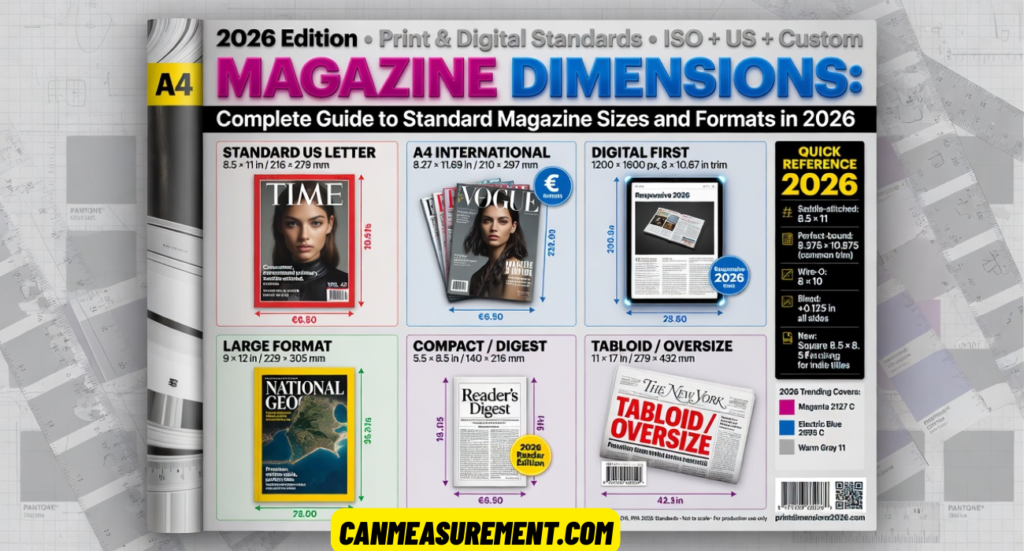
Different magazine binding types affect how magazines look, feel, and perform over time. Binding changes page durability, flexibility, and overall thickness. Publishers must carefully match the right binding method with their selected magazine page size and expected page capacity. A poor binding choice can reduce reader satisfaction even when the visual design appears beautiful and modern.
The most popular methods include saddle stitch binding, perfect binding, and wire-o binding. Each option serves unique publishing goals. Smaller magazines often use staples while premium publications prefer thick square spines. Functional manuals usually rely on flexible wire systems. These choices directly influence magazine spine width, final trimming accuracy, and overall publication design quality.
| Binding Type | Best For | Appearance | Cost |
| Saddle Stitch | Small magazines | Lightweight | Low |
| Perfect Binding | Premium magazines | Square spine | Medium |
| Wire-O Binding | Manuals | Flat opening | High |
Saddle Stitch Binding
Affordable saddle stitch binding remains one of the most popular choices in magazine production today. This method uses metal staples placed through folded sheets to secure pages together neatly. Publishers often select this technique for smaller publications because it works well with low page counts and standard magazine formats. The simple structure keeps magazines lightweight and easy to distribute.
This binding method supports excellent flexibility during reading. Readers can comfortably open pages without damaging the spine. Many educational catalogs, newsletters, and consumer magazines continue using saddle stitching because it balances affordability with professional appearance. Smaller magazine cover size formats also work smoothly with this process because thin publications fold naturally without stressing the paper structure.
Printers recommend saddle stitching for projects with moderate page capacity and limited budgets. Production teams usually combine this method with lighter cover stock and flexible interior paper. Designers also maintain proper safe zones around the staple area to protect important text and graphics. Simple construction keeps production fast while maintaining reliable print quality across large circulation volumes.
Perfect Binding
Premium publishers often prefer perfect binding because it creates elegant square spines similar to paperback books. This style glues pages directly into the spine, creating polished and durable magazines. Many luxury brands use perfect binding for thick fashion magazines, business journals, and upscale lifestyle publications. The clean appearance instantly gives magazines a more professional and expensive feel.
This method also improves shelf presentation. Wide spines allow publishers to print titles directly on the side, helping magazines stand out in bookstores and libraries. Designers appreciate the additional branding opportunities because visible spine printing improves recognition. Large magazine dimensions combined with perfect binding create a sophisticated reading product with impressive long-term durability.
However, premium construction increases magazine production costs significantly. Publishers must invest in stronger adhesives, thicker paper stock, and accurate trimming equipment. Designers also prepare detailed print-ready files with carefully measured bleed areas to avoid alignment issues during assembly. Despite higher expenses, many publishers believe the luxurious appearance fully justifies the additional investment.
Wire-O Binding
Functional publications often rely on durable wire-o binding systems. This method uses double-loop wire inserted through punched holes along the page edge. The structure allows magazines to open completely flat, making it perfect for planners, manuals, cookbooks, and technical guides. Readers appreciate the convenience because pages stay open naturally during use without needing constant adjustment.
Many publishers select this format for practical rather than decorative purposes. Flexible rotation improves usability for tutorials and training materials. Smaller magazine dimensions typically work best with wire systems because oversized pages place additional stress on punched holes. Compact manuals and educational reference magazines benefit greatly from the flat-opening structure during active reading sessions.
Designers preparing wire-bound publications must adjust page spacing carefully. Hole placement affects overall magazine layout and reduces available printing space near the edge. Production teams also avoid placing important content too close to punched areas. Although wire binding costs more than simple staples, the improved functionality creates an excellent experience for readers using magazines frequently.
Specialized Magazine Sizes and Formats
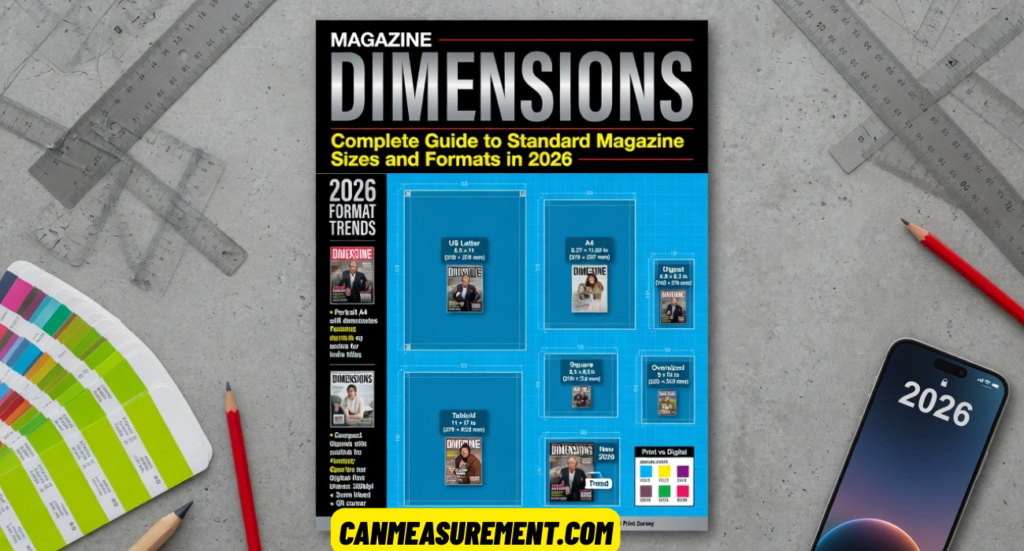
Custom magazine dimensions help publishers create memorable visual identities. Unique sizing instantly separates a publication from competitors on crowded store shelves. Many modern brands experiment with creative layouts because unusual formats attract curiosity and encourage stronger reader engagement. Smart sizing decisions often improve branding just as much as photography, typography, or editorial quality.
Specialized formats also support different content categories effectively. Small travel magazines focus on portability while oversized fashion editions emphasize luxury presentation. Creative industries frequently choose experimental layouts because visual storytelling plays a major role in audience connection. Publishers often accept higher magazine production costs when custom formats strengthen brand image and improve market visibility.
Pocket Size Magazines (3.5 × 5 inches to 4 × 6 inches)
Tiny pocket size magazines create unmatched convenience for readers constantly moving throughout busy daily life. Measuring between 3.5 × 5 inches and 4 × 6 inches, these compact publications fit comfortably inside pockets, handbags, and travel organizers. Small dimensions make them ideal for tourism companies, event planners, and publishers producing practical informational guides.
Travel businesses frequently choose these sizes for portable city guides and local attraction directories. Compact pages support quick reading during transportation or sightseeing. Readers appreciate the convenience because small publications feel lightweight and easy to manage. Despite limited space, creative teams still produce attractive magazine design layouts with organized text and engaging visuals.
Designers working on mini formats must carefully control spacing and image placement. Small pages leave little room for cluttered layouts or oversized headlines. Strong grid systems, readable typography, and clean organization become essential for maintaining excellent magazine readability. Effective planning allows even tiny publications to feel professional and visually balanced.
Square Format Magazines (8 × 8 inches or 8.5 × 8.5 inches)
Modern square format magazines offer artistic presentation and balanced page symmetry. Common dimensions include 8 × 8 inches and 8.5 × 8.5 inches, creating layouts that feel contemporary and visually distinctive. Many art magazines and photography magazines prefer square pages because symmetrical proportions improve image composition and support stylish editorial design.
Creative publishers often select square layouts to strengthen branding and visual identity. Unique proportions stand out immediately beside traditional rectangular magazines on retail shelves. Readers frequently associate square designs with innovation and artistic quality. These dimensions also encourage creative experimentation with photography placement, spacing, and modern advertising layouts.
Production teams must plan carefully because square trimming generates more paper waste during printing. Specialized sizing can increase manufacturing expenses slightly compared to standard formats. However, the stronger shelf presence and improved branding opportunities often outweigh these additional costs. Square magazines continue growing popular among independent publishers and modern creative agencies.
Oversized Magazines (9 × 12 inches and larger)
Luxury publishers often choose oversized magazines because large pages create unforgettable presentation. Common dimensions start at 9 × 12 inches or 229 × 305 mm, although some premium editions grow even larger. These dramatic layouts showcase fashion photography, architecture, and luxury advertising with exceptional detail and powerful emotional impact.
Large pages support breathtaking imagery and elegant editorial storytelling. Many upscale brands use oversized layouts for premium publications because readers associate bigger formats with exclusivity and sophistication. Rich photography spreads across wide pages beautifully, creating immersive reading experiences. This strategy works especially well for luxury fashion, travel, and interior design magazines.
However, oversized printing increases shipping expenses, paper consumption, and storage requirements. Publishers must carefully manage magazine printing logistics before committing to large formats. Designers also need extremely high magazine resolution to maintain image sharpness across expanded pages. Despite higher costs, oversized publications continue thriving in luxury markets where presentation strongly influences purchasing decisions.
Digital vs. Print Magazine Dimensions
Modern publishers now balance traditional print with fast-growing digital platforms. Digital magazine dimensions differ greatly from physical printing requirements because screens rely on pixel dimensions rather than inches. Publishers creating content for phones, tablets, and desktop readers must optimize layouts carefully for different screen shapes and viewing habits.
Traditional print magazine specifications still focus on paper, ink, and physical cutting precision. Digital publishing prioritizes flexibility, loading speed, and responsive layouts. Successful publishers understand both systems because audiences frequently switch between physical magazines and online reading experiences. Smart adaptation improves accessibility while maintaining consistent branding across all platforms.
| Format | Dimensions | Color Mode | Usage |
| Print Magazine | 8.5 × 11 inches | CMYK | Physical printing |
| Tablet Format | 1536 × 2048 px | RGB | Tablet viewing |
| Mobile Format | 1080 × 1920 px | RGB | Smartphone formats |
Print Magazine Specifications
Professional print magazine specifications demand careful preparation before production begins. Publishers usually prepare files at 300 DPI because high resolution improves image sharpness and overall print reproduction quality. Designers also use CMYK color mode instead of digital RGB settings because printing presses rely on physical ink combinations rather than illuminated screen colors.
Production teams add extra margins called bleed areas around each page to prevent unwanted white edges after trimming. Interior safe zones protect important text and logos from accidental cutting during finishing. Printers also select suitable paper weight and durable cover stock depending on the publication’s purpose, budget, and target audience expectations.
Design software plays an important role throughout preparation. Teams create detailed layouts using professional InDesign magazine setup templates and custom magazine artboard size settings. Proper planning improves alignment, reduces waste, and maintains consistent publication dimensions throughout the printing process. Careful preparation ultimately protects publishers from expensive production mistakes.
Digital Magazine Dimensions
Modern digital magazine formats rely on responsive design rather than fixed paper sizes. Digital layouts adapt automatically across laptops, tablets, and smartphones. Publishers optimize content using RGB color mode, interactive media, and flexible page structures. These adjustments improve viewing quality across different screen resolution levels and modern high-resolution screens.
Publishers often create separate versions for desktop readers and mobile devices. Large desktop viewers typically support wider layouts while smaller smartphone formats prioritize vertical scrolling and simplified navigation. Many magazines now support both portrait viewing and landscape orientation depending on device rotation. Flexible presentation keeps reading comfortable across multiple platforms.
Digital publishing also introduces exciting interactive elements including embedded videos, clickable advertisements, and animated graphics. Publishers must balance visual richness with file size optimization to maintain fast loading performance. Smart digital planning improves accessibility while preserving strong branding and polished magazine design across modern devices and operating systems.
Magazine Cover Size and Reader Attention
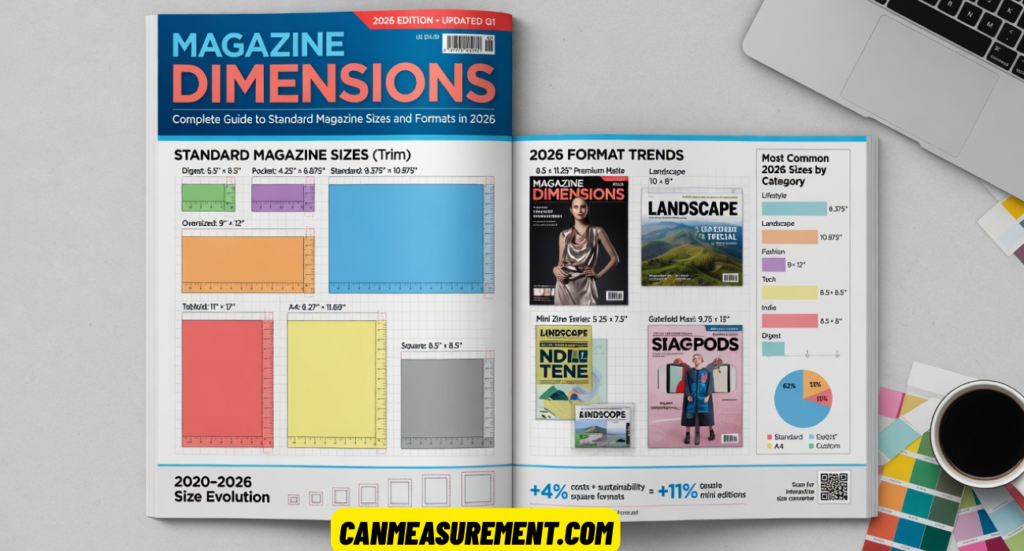
A strong magazine cover size can instantly influence buying decisions in stores and online marketplaces. Readers often judge quality within seconds, so smart sizing matters greatly. Large headlines, balanced spacing, and bold photography improve shelf visibility and strengthen emotional connection with potential buyers before they even open the publication.
Designers carefully balance text and visuals to maintain excellent reader engagement across every issue. Oversized titles may dominate the page while smaller fonts improve elegance and sophistication. Successful publishers test different layouts repeatedly because subtle adjustments in spacing, proportions, and typography often improve overall sales performance dramatically.
Modern publishers also adapt covers for digital platforms and social sharing. Strong magazine cover dimensions help maintain clarity on tablets, smartphones, and desktop screens. Responsive scaling protects readability and image quality while preserving visual identity across physical printing and online publishing environments successfully.
Read Also : 3 Ounces: Simple Guide to Understanding 3 Ounces in Everyday Life
Professional Magazine Layout Techniques
A polished professional magazine layout combines structure, creativity, and readability into one seamless experience. Designers rely heavily on organized grid systems and balanced column structures to guide readers naturally across every page. Smart spacing prevents visual clutter while helping stories feel smooth, welcoming, and easy to follow comfortably.
Publishers also focus carefully on typography, image positioning, and white space distribution during the design process. Large headings attract attention quickly while smaller body text improves reading comfort. Successful layouts create rhythm between articles, advertisements, and photography without overwhelming readers or reducing visual harmony throughout the publication.
Strong layouts improve both print and digital performance simultaneously. Designers build flexible structures that adapt smoothly across different digital magazine formats and physical pages. This strategy strengthens branding consistency while maintaining excellent usability for readers switching between mobile devices and traditional printed magazines regularly.
Magazine Measurements and Print Accuracy
Precise magazine measurements play a critical role in successful printing and finishing. Even tiny mistakes in dimensions can create alignment problems, damaged margins, or uneven cuts during production. Professional printers carefully verify every size specification before starting large printing runs to protect quality and reduce expensive material waste.
Production teams monitor trim lines, bleeds, and folding marks closely throughout the manufacturing process. Accurate preparation ensures pages align perfectly after cutting and binding. Publishers investing in careful measurement planning usually achieve sharper presentation, stronger durability, and more consistent visual quality across every printed copy produced.
Digital tools also simplify measurement management for modern design teams. Software programs automatically calculate spacing, page proportions, and printing margins accurately. These systems improve efficiency while helping publishers maintain reliable print quality and balanced layouts throughout complicated production schedules and large commercial printing projects.
Magazine Design Trends in 2026
Modern magazine design trends continue evolving as publishers combine print traditions with digital creativity. Minimal layouts, oversized typography, and immersive photography now dominate many industries. Readers increasingly prefer clean designs because simple organization improves focus while allowing visual storytelling to feel more elegant and emotionally engaging naturally.
Publishers also experiment with bold color palettes and unconventional page structures. Creative layouts strengthen branding while helping magazines stand apart from competitors visually. Many companies now blend artistic presentation with practical readability because audiences expect publications to feel both beautiful and comfortable during extended reading sessions.
Interactive storytelling also influences current publishing trends significantly. Digital editions now include videos, animations, and clickable graphics alongside traditional editorial content. These modern additions improve audience participation while keeping magazines relevant in rapidly changing media environments dominated by mobile technology and fast online communication.
Responsive Magazine Design for Multiple Devices
Modern responsive magazine design helps publications adapt smoothly across laptops, tablets, and mobile phones. Readers expect content to remain clear regardless of screen size or device orientation. Flexible layouts improve accessibility while maintaining visual consistency between digital and printed editions without sacrificing branding or overall readability.
Designers create scalable templates that automatically adjust images, typography, and spacing for different displays. This strategy improves usability across various tablet resolution and smartphone screen settings. Responsive systems also protect content from awkward cropping or distorted formatting during online viewing experiences across modern devices.
Publishers benefit greatly from responsive strategies because one design framework supports multiple platforms simultaneously. Reduced production time and improved reader satisfaction create stronger long-term value. Consistent presentation across devices also reinforces professional identity while encouraging audiences to engage with content more frequently online.
Magazine Printing and Production Workflow
Efficient magazine printing requires careful coordination between designers, editors, and commercial production teams. Every stage, from layout preparation to final trimming, influences overall quality. Publishers who organize workflows properly often reduce delays, improve consistency, and maintain stronger control over printing expenses and production timelines successfully.
Printing facilities carefully inspect colors, page alignment, and image sharpness before approving final output. Proper calibration ensures accurate print reproduction and balanced tones throughout the publication. Teams also verify paper thickness, binding strength, and cutting precision to maintain professional standards across every finished magazine issue.
Technology now plays a major role in modern production management. Automated systems monitor file preparation, scheduling, and quality control throughout large printing operations. These advancements help publishers deliver polished magazines faster while maintaining excellent consistency, durability, and customer satisfaction across competitive publishing markets worldwide.
Best Magazine Dimensions for Modern Publishing
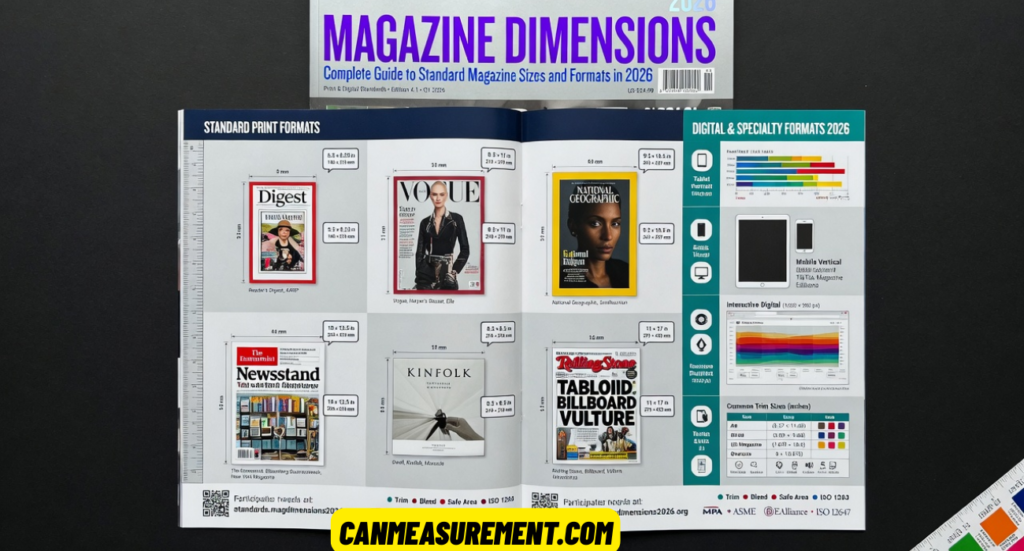
Choosing the best magazine dimensions can shape how readers interact with every page. Publishers often compare audience habits, printing budgets, and content style before selecting a final format. A smart size improves navigation, boosts visual balance, and supports strong storytelling throughout the publication. Readers naturally stay engaged longer when layouts feel organized and comfortable.
Modern publishers also test multiple magazine formats before launching new products. Smaller magazines create portability while larger pages increase dramatic presentation. Businesses targeting luxury readers often choose oversized layouts because premium sizing improves branding and visual authority. Strong publication planning helps companies balance creativity, cost management, and long-term reader satisfaction effectively.
How Magazine Size Impacts Reader Experience
The right magazine size affects comfort, readability, and emotional connection during reading sessions. Compact pages feel lightweight and convenient while larger spreads create immersive storytelling opportunities. Readers often prefer layouts that match their lifestyle, especially when magazines focus on travel, business, or visual entertainment content regularly consumed throughout busy daily routines.
Publishers study reader engagement carefully because page dimensions influence browsing behavior significantly. Narrow layouts improve portability while wide pages support dramatic visuals and bold headlines. Successful magazines combine attractive design with practical usability. Balanced dimensions help readers enjoy articles naturally without feeling overwhelmed by crowded layouts or uncomfortable page proportions.
Why Standard Magazine Dimensions Dominate the Industry
Most publishers continue using standard magazine dimensions because they simplify production and distribution processes. Standardized sizing works efficiently with modern printing equipment, shipping systems, and retail shelving requirements. This consistency lowers waste and reduces delays while maintaining excellent presentation quality across large publishing operations serving national and regional audiences alike.
Readers also trust familiar magazine proportions because standard formats feel reliable and comfortable during use. Consistent sizing supports easier storage and improves visual organization in bookstores and libraries. Publishers benefit from lower manufacturing risks while advertisers appreciate predictable layouts that support effective branding and strong promotional placement across printed content.
Magazine Layout Strategies That Improve Readability
A thoughtful magazine layout guides readers smoothly from one section to another without confusion or visual clutter. Designers organize headlines, images, and body text carefully to create balanced page flow. Strong structure helps readers absorb information naturally while maintaining focus throughout long editorial features and visually detailed magazine spreads.
Professional publishers rely on spacing, alignment, and typography to strengthen magazine readability across every issue. Wide margins and organized columns prevent pages from feeling crowded or chaotic. Designers also adjust image placement strategically because visual balance improves comfort while encouraging readers to spend more time exploring each article thoroughly.
Print Magazine Dimensions vs Digital Magazine Formats
Traditional print magazine dimensions depend on physical paper measurements while digital magazine formats focus on flexible screen compatibility. Printed editions require exact trimming precision, paper selection, and binding alignment. Digital publishing emphasizes adaptability because readers access content through smartphones, tablets, laptops, and high-resolution desktop screens daily.
Publishers often create separate production strategies for physical and digital content. Printed magazines prioritize durability and visual texture while digital versions support animations and interactive features. Successful brands maintain consistent identity across both platforms, ensuring readers enjoy smooth experiences whether reading through printed copies or online viewing applications.
Magazine Printing Tips for Better Production Quality
Successful magazine printing starts with accurate file preparation and strong communication between designers and commercial printers. Proper image resolution, correct bleed settings, and organized page alignment prevent expensive mistakes during production. Publishers who follow professional standards consistently achieve sharper visuals and more reliable final results across every printed issue.
Production teams also inspect colors, binding strength, and paper quality before approving full print runs. Small technical adjustments often improve overall durability and visual appeal dramatically. Careful planning protects publishers from delays while ensuring magazines maintain excellent appearance during shipping, retail display, and repeated handling by readers.
Choosing the Right Magazine Cover Dimensions
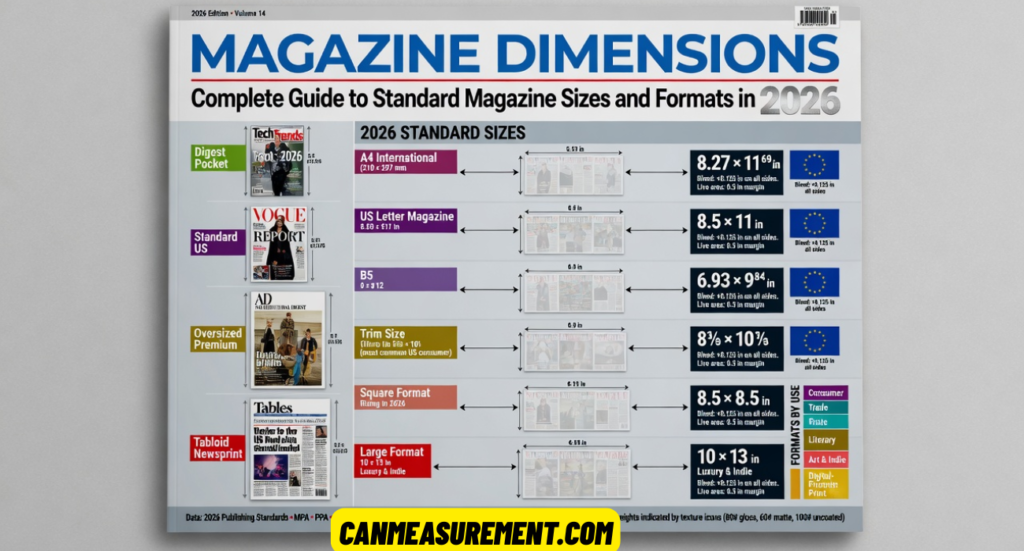
Smart magazine cover dimensions help publications stand out immediately in competitive retail environments. Covers create the first impression for potential readers, making size selection extremely important. Wide layouts support dramatic photography while compact formats encourage portability and convenience. Publishers carefully match cover proportions with branding goals and audience expectations.
Designers also consider readability and visual hierarchy during cover creation. Headlines must remain clear from a distance while images maintain strong emotional impact. Effective sizing improves shelf visibility and strengthens recognition across physical stores and digital marketplaces. Balanced covers ultimately encourage stronger engagement and increase overall magazine sales performance.
Professional Magazine Design for Premium Publications
Modern premium magazine format design focuses heavily on visual elegance, clean typography, and sophisticated presentation. Luxury publishers often invest in oversized layouts and thick paper materials because premium readers expect polished experiences. Beautiful design creates emotional value while helping publications feel exclusive, memorable, and visually refined across every page.
Professional teams combine strong imagery with carefully planned spacing to maintain high editorial standards consistently. Minimal clutter and balanced composition improve readability while allowing photography to shine naturally. Successful premium publications understand that presentation matters deeply because readers often associate design quality directly with brand reputation and trustworthiness.
Digital Magazine Dimensions for Mobile Readers
Modern digital magazine dimensions must support fast and comfortable reading across smartphones and tablets. Mobile audiences expect responsive layouts that adjust automatically to different screen sizes and orientations. Flexible design improves accessibility while maintaining strong visual consistency across devices commonly used for digital magazine consumption today.
Publishers now prioritize mobile optimization because many readers access content while traveling or multitasking. Lightweight file structures and adaptive typography improve loading speed and readability significantly. Successful digital magazines balance attractive visuals with technical efficiency, ensuring content remains engaging without frustrating users through slow performance or awkward formatting issues.
Importance of Magazine Binding Types in Publishing
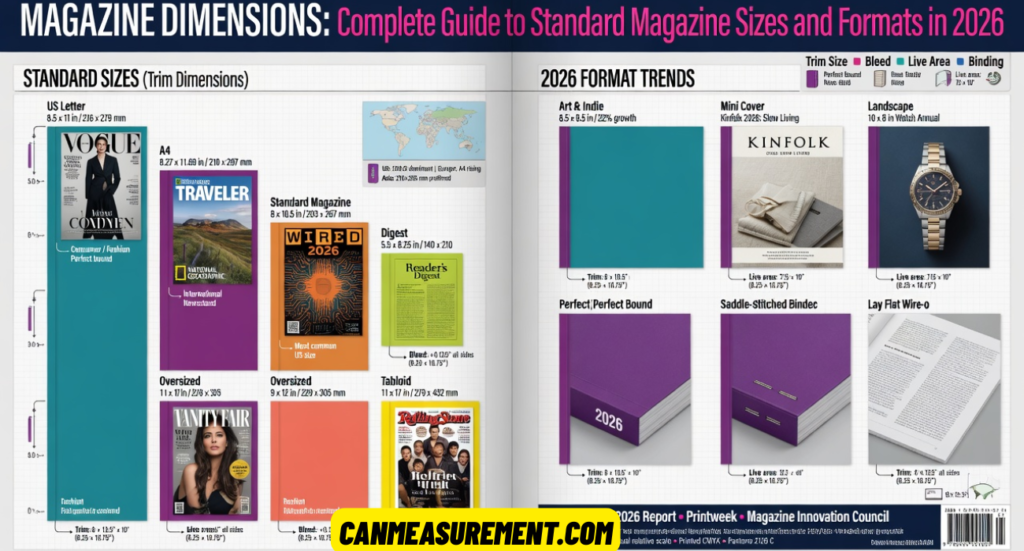
Different magazine binding types influence durability, appearance, and overall user experience throughout the publication lifecycle. Publishers select binding methods based on page count, budget, and intended audience usage. Strong binding improves structural integrity while supporting smoother page handling during reading, transportation, and long-term storage conditions.
Methods like saddle stitch binding, perfect binding, and wire-o binding each serve different publishing goals effectively. Thin magazines often use staples while premium editions prefer square spines for luxury presentation. Functional manuals benefit from flat-opening wire systems that improve usability and allow readers to interact comfortably with content repeatedly.
FAQs
What are the standard magazine dimensions in the USA?
The most common standard magazine dimensions in the United States are 8.5 × 11 inches or 216 × 279 mm. Many consumer magazines use this format because it balances readability and printing efficiency.
Which magazine size is best for portable reading?
A digest size magazine measuring 5.5 × 8.5 inches offers a compact and lightweight reading experience. This format works perfectly for travel readers and small compact publications.
How do magazine dimensions affect printing costs?
Large magazine dimensions require more paper, ink, and shipping space, which increases overall magazine production costs. Smaller formats usually reduce printing expenses while improving portability.
What is the difference between print and digital magazine dimensions?
Print magazine dimensions use physical measurements like inches and millimeters, while digital magazine dimensions rely on pixel dimensions and screen resolution for phones, tablets, and desktop viewers.
Conclusion
Magazine Dimensions play a very important role in publishing and magazine design. The right magazine size helps readers enjoy better layouts, clear pictures, and easy reading. Publishers use different magazine formats for different types of content. Some magazines use compact sizes for travel and daily use, while others use large pages for fashion and photography. Good dimensions also improve printing quality and lower production problems.
Publishers and designers must choose magazine sizes carefully according to their audience and content style. Standard magazine formats like 8.5 × 11 inches remain popular because they offer good balance and comfort. Digital magazines also need proper dimensions for phones, tablets, and computers. Smart planning helps magazines look professional and attractive. Strong layouts, quality printing, and proper sizing together create a better reading experience for everyone.